An Overview of the Closing of the 28th Shanghai International Film Festival
The Golden Goblet trophy shines, and cinema blooms in all its splendor. From June 12 to 21, the 28th Shanghai International Film Festival (SIFF) unfolded with resounding success, and its cinematic afterglow will continue to grace the city through June 28. As the first major state-level cultural event hosted by Shanghai in the inaugural year of the 15th Five-Year Plan period, this year’s edition distinguished itself with an unprecedented premiere ratio, a fresh wave of topical appeal, a heightened sense of audience participation, and a palpable warmth that resonated across the city. SIFF reaffirmed its standing as the only “A-list film festival in China—a premier cultural IP that once again captured the world’s attention.
The Golden Goblet Awards’ Standard
How Premiere Rates Reflect the Allure of a Renewed “A-List” Film Festival
This year’s Gala Night sent waves of buzz across social media. The legendary centenarian filmmaker Lisa Lu made her much-anticipated “homecoming” to Shanghai, where she was honored by the festival organizing committee with a Lifetime Achievement Award. Actress Joan Chen delivered an emotional tribute to Lu’s artistic journey, while director Zhang Yimou—himself a recipient of the Outstanding Contribution to Chinese Cinema Award—took the stage as the presenter for his esteemed senior. As the audience rose to its feet in a standing ovation, Lu cheerfully declared herself a member of the “post-00s” generation, adding with characteristic wit: “A Lifetime Achievement Award is not a retirement notice.” She made it clear she has no plans to retire and still wants to act—a moment that moved luminaries like Michelle Yeoh to tears, while her humor and irrepressible vitality quickly went viral across the internet.
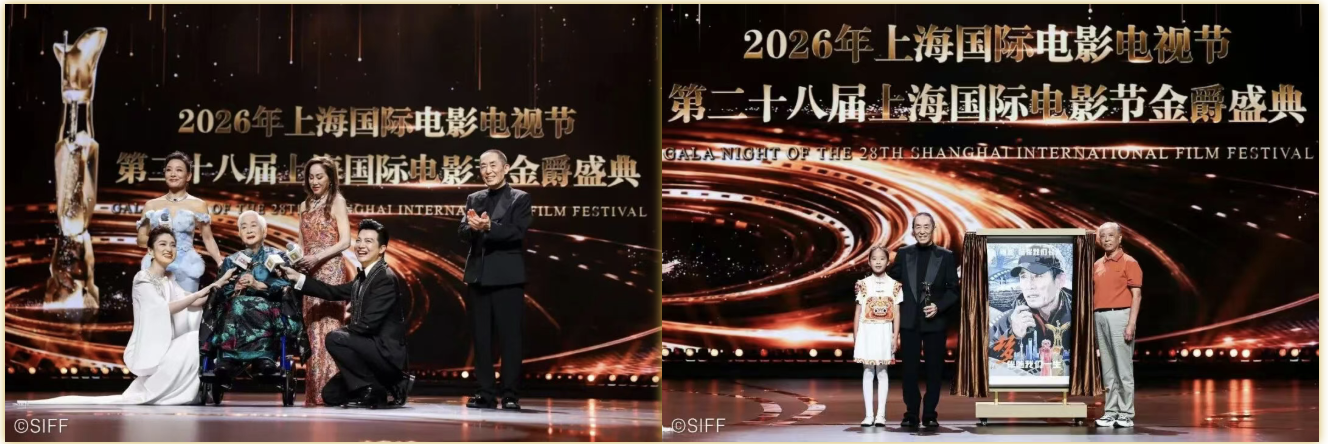
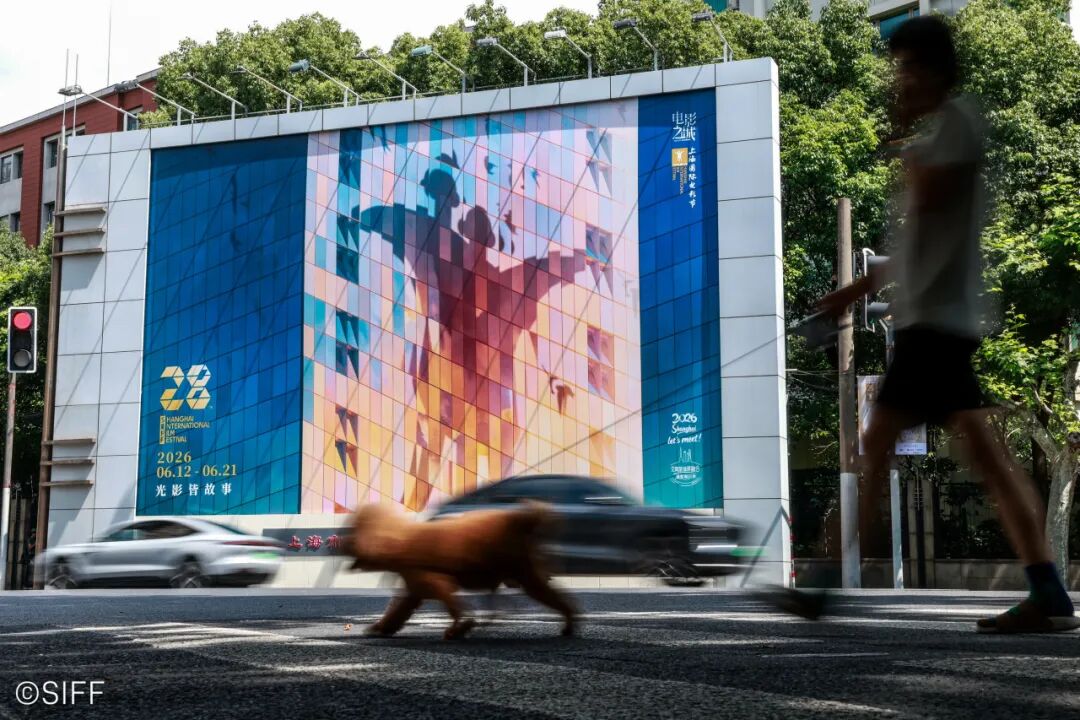
This is the power of an artist’s presence—and yet another testament to the prestige of SIFF and its Golden Goblet Awards. This March, the International Federation of Film Producers’ Associations (FIAPF) officially unveiled its newly designated “A-list” film festivals. Jiao Hongfen, Vice President of FIAPF and Chairman of the China Film Producers’ Association, revealed that under the “New A-List” criteria, which prioritize international reach, professional standards, market vitality, and operational excellence, SIFF secured its place with an overwhelming majority of votes. Coincidentally, this year also saw the festival refresh its visual identity: a new logo that highlights the golden sheen of the Golden Goblet trophy, bringing the metaphorical “golden calling card” into vivid focus.
The true measure of the Golden Goblet Awards’ prestige lies in the premiere rates of its selected films—and this year, that measure spoke volumes. Across its five major categories—Main Competition, Asian New Talent, Documentary, Animation, and Short Film—this year’s Golden Goblet Awards received approximately 4,100 submissions from 125 countries and regions. Of the 49 films that ultimately made the final selection, 41 were world premieres, bringing the premiere rate to an extraordinary 83.67%. By any standard, this cements the festival’s status as an unrivaled launchpad for outstanding cinematic works from around the globe. “To be selected for the Golden Goblet Awards is the most beautiful full stop to our filmmaking journey—a moment of pure happiness,” said Yassine El Idrissi, director, screenwriter, and producer of Halima, which earned a spot in the Main Competition and marked Morocco’s return to the Golden Goblet Awards after 27 years. In Shanghai, he said, he found immense encouragement.
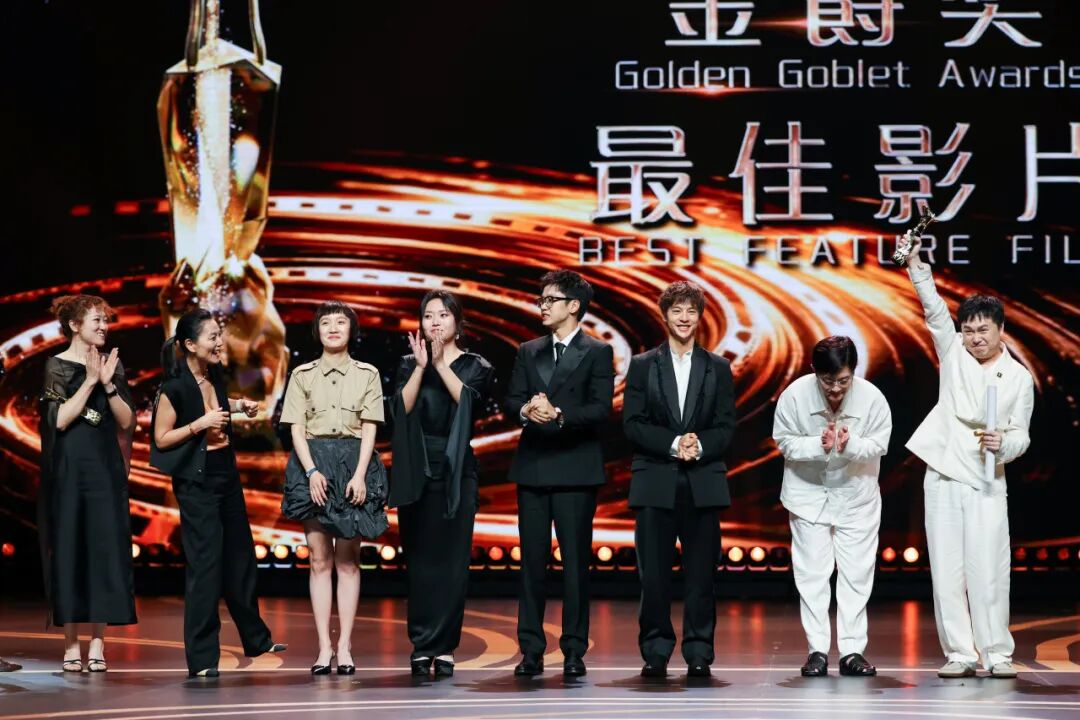
For the filmmakers, a Shanghai premiere meant something even more precious: a genuine connection with audiences. Zhang Xiaoying, screenwriter of The Great Skull, wove into her film a quiet, deeply personal tribute to her hometown of Shanghai. Delivered through a blend of dark humor and tender warmth, the work struck a chord with festival-goers following its premiere. “I left Shanghai at eighteen carrying something of this city with me. Over time, it grew into a story worth telling. And now I’ve come back to tell it, through cinema, to all of you,” she reflected. Atlantic Rhapsody, on the other hand, takes the name of an ocean to tell a story set in China’s northeast—its very title hinting at its offbeat sensibility. The film offers audiences a singular “sonic-visual” aesthetic, the work of post-95s director Zhong Kaifeng in his feature debut. For him, naming a landlocked Northeast Chinese narrative after a vast ocean is akin to a shark trapped in a supermarket: displacement itself breeds compelling narrative tension. Canadian entry The Parking Spot drew considerable attention from both audiences and critics—not least because its director, Louis Godbout, made a career leap from philosophy professor to filmmaker, but also because the film turns an everyday “parking space dispute” into a gripping drama about fate and the dark complexities of human nature. “Bringing our film to Shanghai for its world premiere feels like embarking on a journey into the unknown,” said Godbout. “To keep the film from becoming as opaque as a philosophical treatise, I paid close attention to narrative clarity and rhythm, aiming for a balance between intellectual depth and entertainment—so that audiences can be fully immersed while still walking away with something to ponder.”
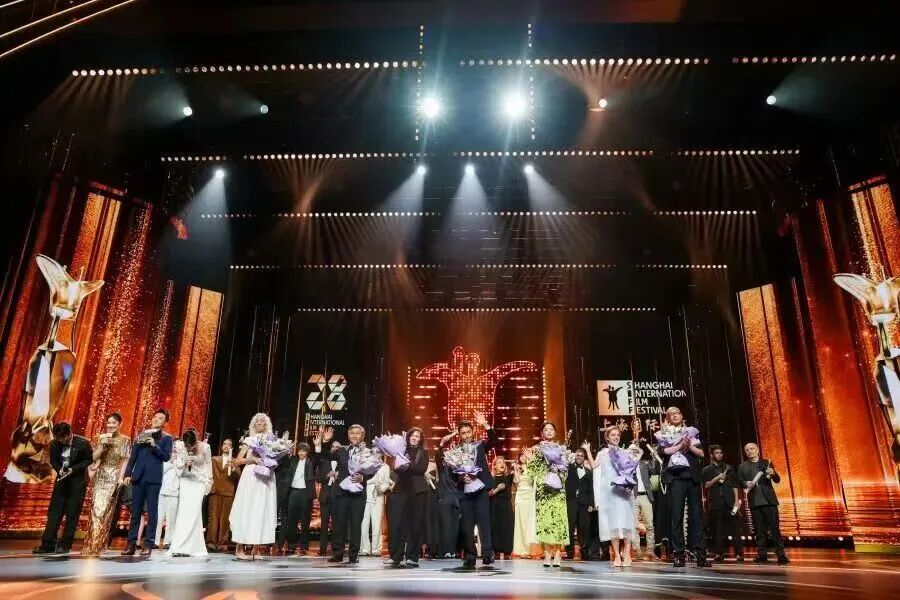
“What makes a good film? There is no standard answer to that question—but of this I am certain: a great work will always resonate with the audience.” These were the guiding principles of Tony Leung Chiu-wai, Jury President of the Main Competition for the Golden Goblet Awards. The jury he led this year brought together 21 members from 16 countries and regions, including China, the United States, the United Kingdom, Germany, Mexico, Portugal, Singapore, Kazakhstan, and Tunisia—representing a diverse cross-section of directors, producers, scholars, and actors. Their cultural backgrounds were richly varied, yet their judgments on what constitutes a fine film proved remarkably aligned, a testament to the Golden Goblet Awards’ enduring commitment to inclusivity and global vision. Among the jury members was Dora Bouchoucha from Tunisia, marking the first time her country has been represented on the Golden Goblet Awards’ jury. A veteran producer with over three decades of industry experience, she observed: “A good film transcends borders. What we are looking for is the truth within cinema.”
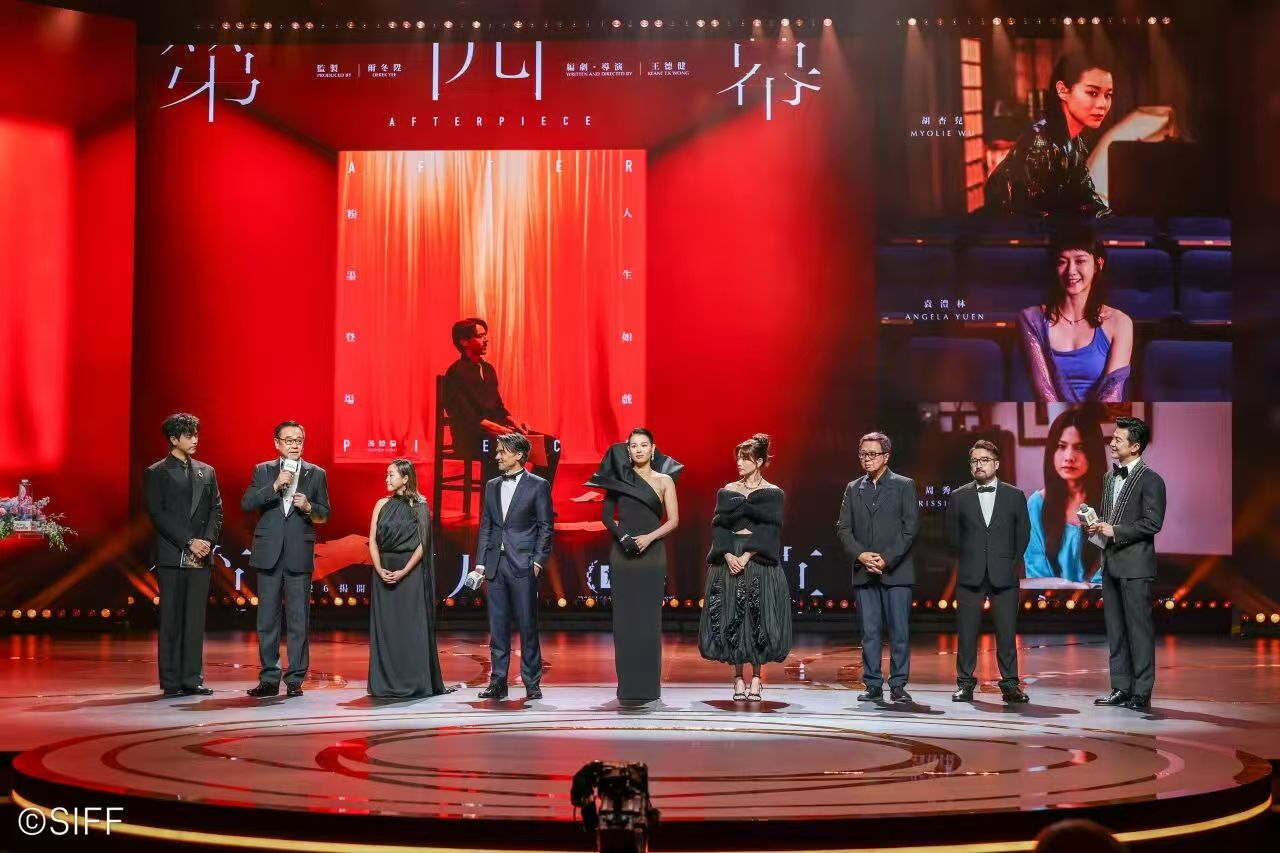
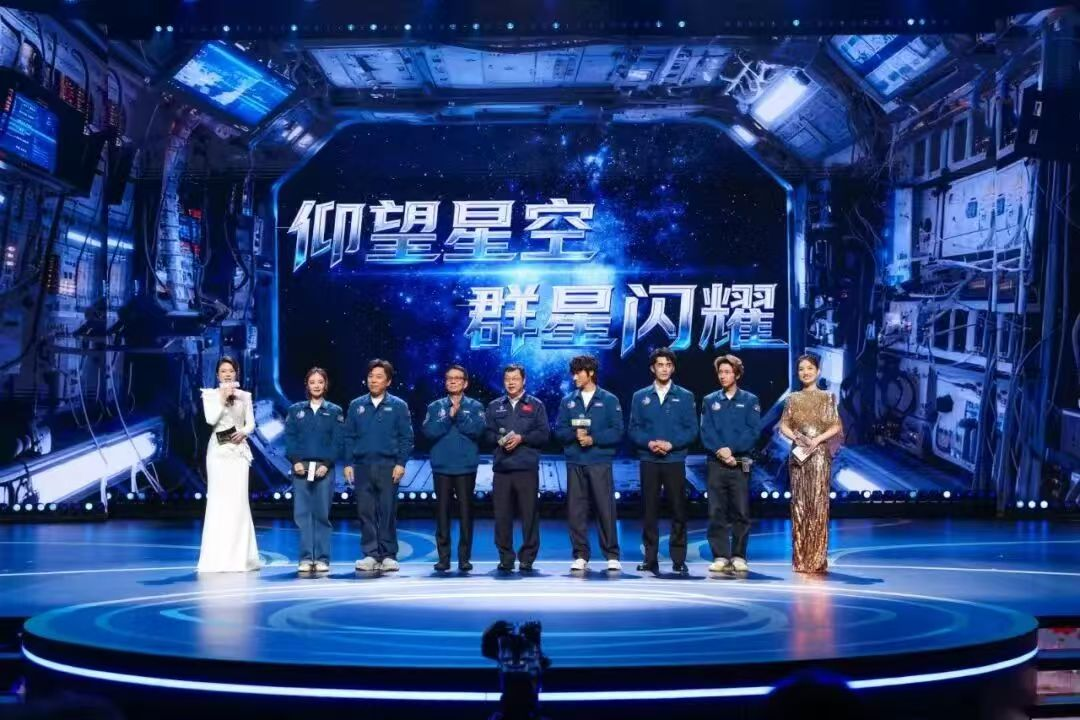
For filmmakers and their works, stepping onto the Golden Goblet Awards’ stage is, in itself, a moment in the spotlight. Beyond the Golden Goblet Awards competition, this year’s festival continued to serve as a premier platform for cinematic creators. Across the red carpets of both the Gala Night and the Golden Goblet Awards Ceremony, generations of acclaimed film figures made their appearances—including Yosh Yu, Ma Sichun, Ma Boyong, Wen Muye, David Wang, Tian Yu, Bai Ke, Sally Yeh, Cecilia Yip, Shi Pengyuan, Stephen Fung, Lisa Lu, Sun Yizhou, Sunny Sun, Andrew Lau, Sean Lau, Liu Haoran, Liu Ye, Carina Lau, Chen Feiyu, Zhang Yimou, Zhang Mo, Joan Chen, Chen Kun, Amy Chen, Zhang Ruoyun, Li Chen, Yann Yeo, Michelle Yeoh, Shen Teng, Leo Wu, George Lam, Zheng Yunlong, Myolie Wu, Gao Ye, Gao Yuanyuan, Sa Rina, Huang Bo, Jiang Qiming, and Derek Tsang (listed in order of the number of strokes in their Chinese surnames). At the Gala Night, the casts and crews of four highly anticipated summer releases—Crossing, Three Kingdoms: The Beginning, Make Zhonghe Great Again, and This is My Time—also took the stage, showcasing the rising force of major Chinese-language productions.
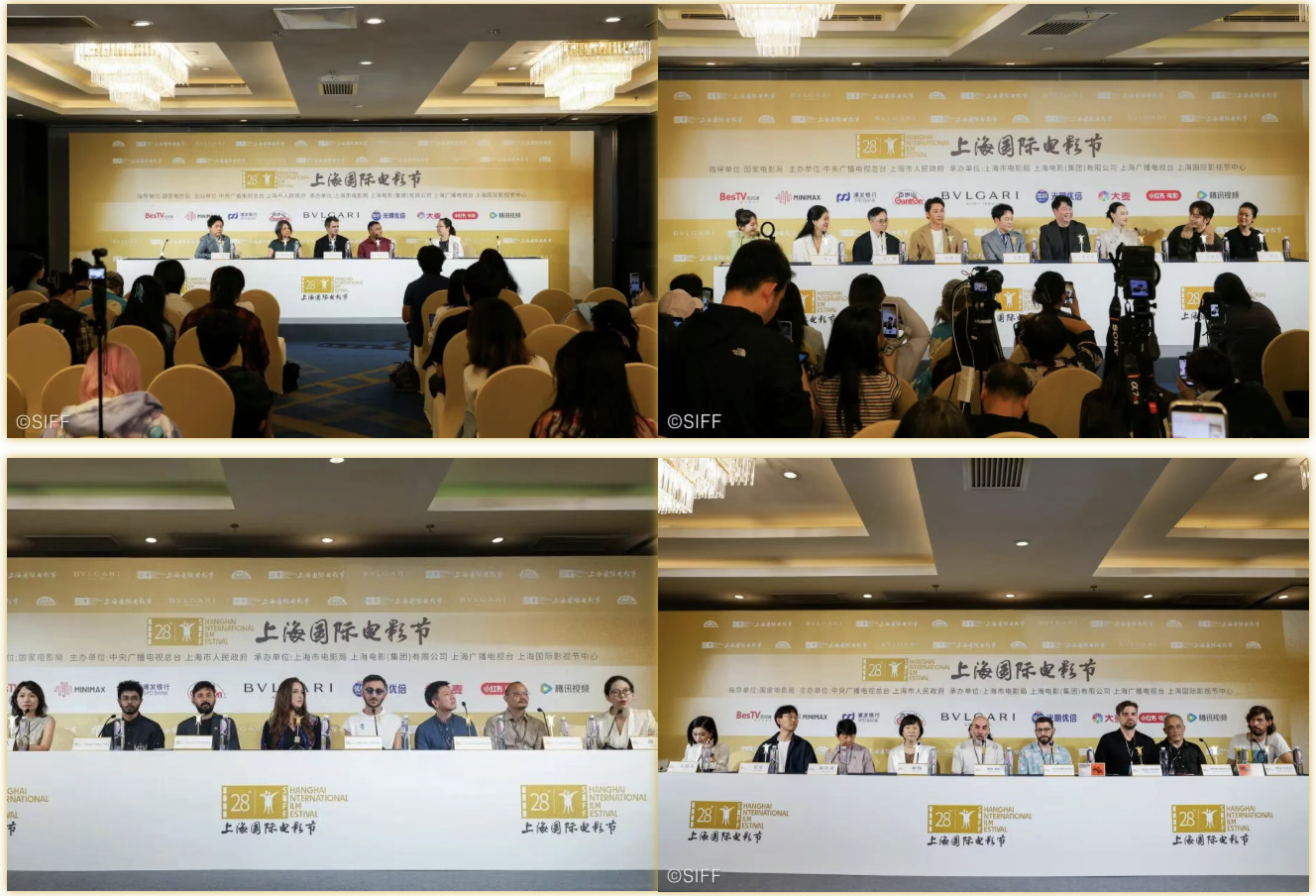
On the global stage, festivals like Cannes, Berlin, and Venice have built their legacies over decades—even centuries. Yet SIFF’s rising international stature lies precisely in its youth, its vitality, and its remarkable capacity for growth. Propelled by the rapid expansion of China’s film industry, SIFF has firmly established itself among the world’s premier film events. Major international news agencies—including the Associated Press, Reuters, and TASS—alongside top industry publications such as Variety, The Hollywood Reporter, and Screen Daily, as well as prominent overseas media outlets like TIME, American CE Financial News, Channel NewsAsia, Malaysia’s Bernama, and The Manila Times, have all trained their lenses on this year’s festival.
Jiao Hongfen once noted: “Every June, filmmakers around the world block out their calendars well in advance—they reserve that window for Shanghai.” Forever young, forever growing, SIFF is securing an ever-increasing number of world premieres and locking in the schedules of the industry’s top talents, shining ever brighter on the global cinematic landscape.
Nurturing New Talent
The New Generation of Filmmakers Rise in Shanghai, Bearing Fresh Creative Visions
The true lifeblood of a film festival lies in its power to energize the industry and cultivate the talents of tomorrow. SIFF, which has always made “supporting new talent” its mission, has woven the growth of young filmmakers into the very fabric of its guiding philosophy—committed to transforming cinema’s “emerging forces” into its “driving forces”.
Each year, the SIFFORUM: Main Forum draws close attention from the industry, and this year, its focus was squarely on talent discovery and development. Chen Guo, Managing Director of Shanghai International Film & TV Events Center, said: “We have built a three-pronged talent cultivation system centered on industry events, professional awards, and overseas roadshows, creating a seamless pathway from project incubation and production to international distribution.”
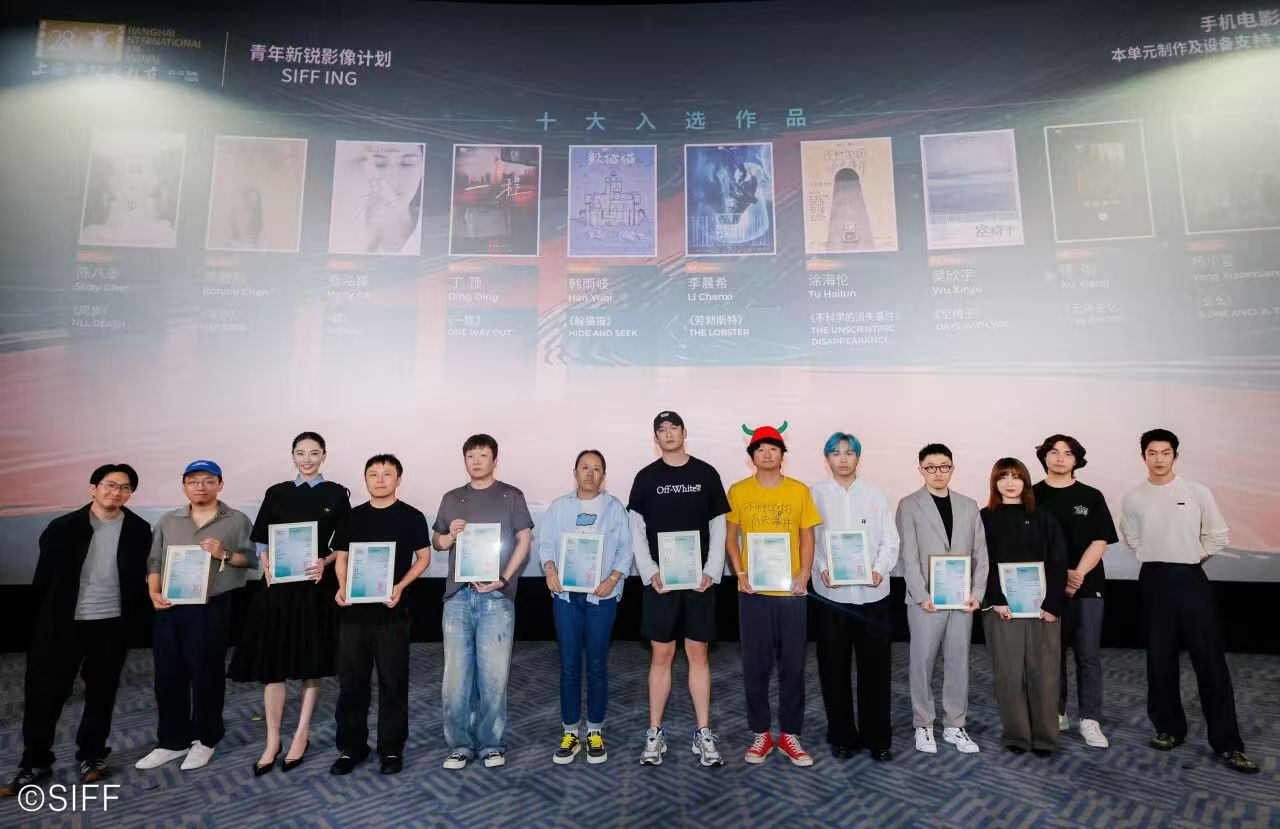
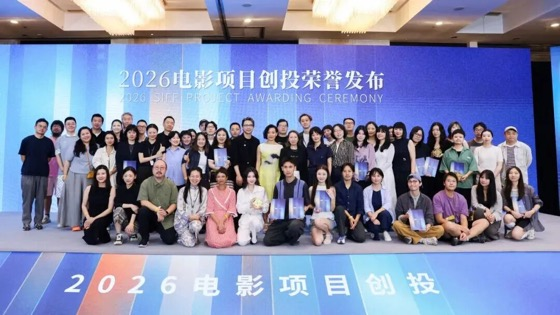
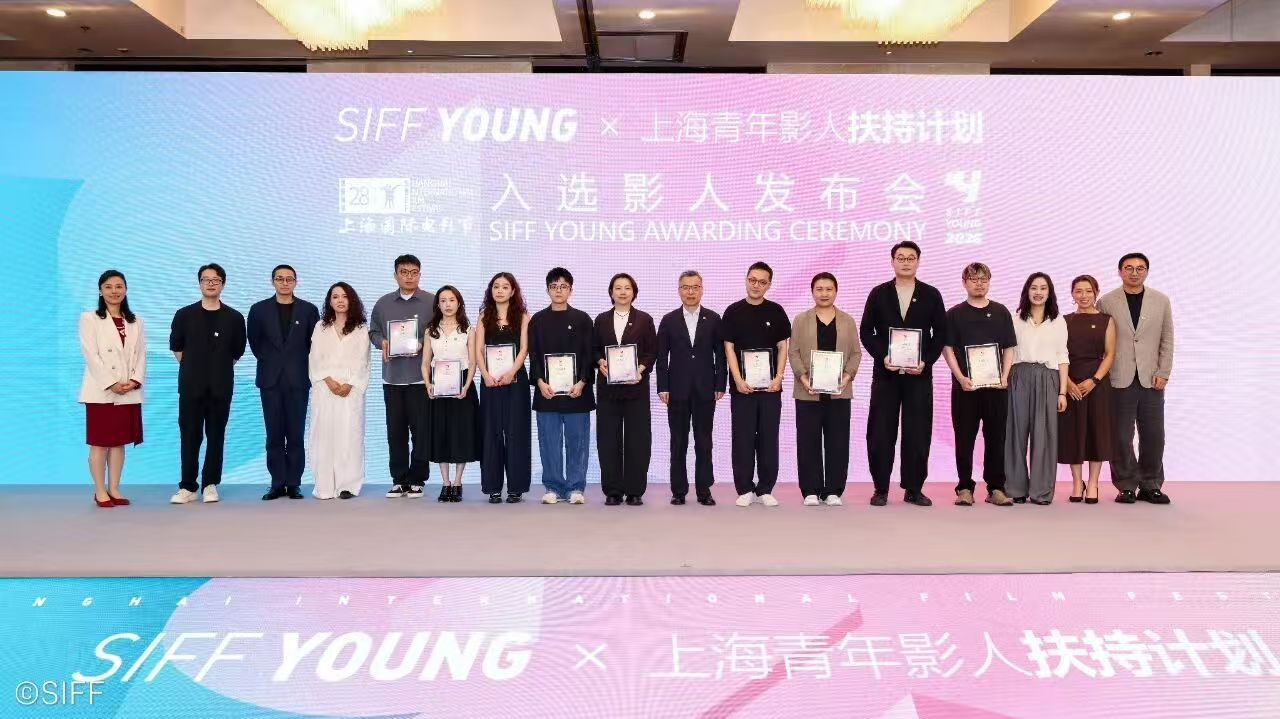
From SIFF ING, which spotlights the creative output of a new generation of young filmmakers, to SIFF PROJECT, one of the country’s most established project platforms, and SIFF NEXT, alongside the SIFF YOUNG, widely regarded as a premier incubator for emerging Chinese-language talent, these initiatives together bear witness to the full arc of young filmmakers’ growth, from raw potential to accomplished craft.
This year, SIFF PROJECT received 560 valid submissions, from which 31 feature-length projects were ultimately selected. Among them, Only the Moon Knows received the official “Annual Focus” honor, while three other projects, Pelican Year, Starfruit, and a third, were additionally recommended to the Belt and Road Film Week, where they received targeted introductions to potential domestic and international partners. Nine emerging filmmakers already making their mark in the industry have made the list of SIFF YOUNG filmmakers for the year 2026, including screenwriter Zhou Yunhai, producers Hu Jing, Titi and Xie Haochi, as well as directors Bai Xue, Su Biao, Teng Congcong, Wang Tong and Xu Lei. When the lineup was announced, director Wang Tong, whose work focuses on contemporary social realities, spoke with palpable emotion: “I’ve always felt SIFF whispering to me, ‘Keep going—you can go further.’ Thank you. I will.”
The Asian New Talent section, in particular, serves as a true home base for encouraging emerging talent. This year’s jury president, Singaporean director Anthony Chen, drew on his own experience of winning the award as a newcomer to convey what it means to young filmmakers. “We all know how important a young director’s first film is,” he said. “It can be the starting point of an entire career.” Director Gong Yiwen’s journey offers a perfect illustration. Her feature debut Her First Taste, which made it to this year’s Asian New Talent section, was previously selected for the WIP programme of the 25th SIFF PROJECT in 2023. At that time, with only a few clips of footage, it already won high acclaim from members of the Project Committee Wuershan, Chen Zhixi, and Xin Yukun, who praised the story’s clarity and completeness, its festival appeal, and its market potential, while suggesting she further sharpen her personal expression within a neorealist framework. During production, Gong demonstrated a formidable command of her craft. She would have her performers memorize the script and then step outside its confines, performing from a place of authentic selfhood to achieve natural, believable dialogue and interaction. The final result moved audiences deeply. One viewer remarked, “I was instantly reminded of my own friendships.” The double recognition of a Golden Goblet Awards nomination and audience acclaim has given her career an invaluable head start.
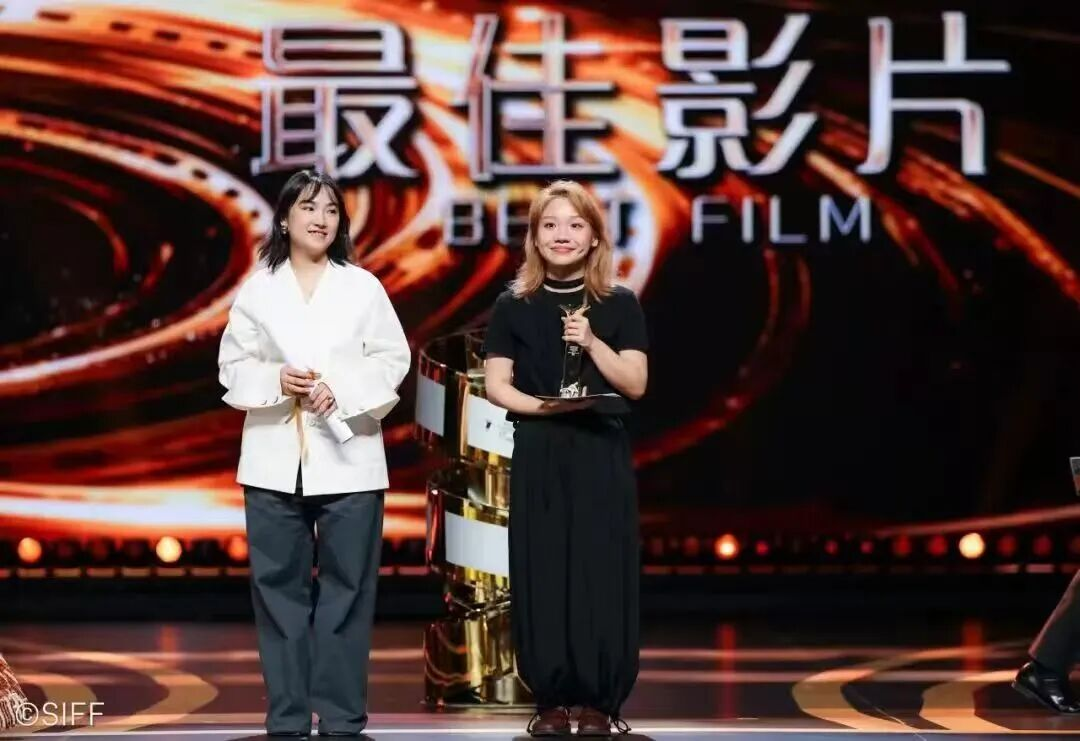
Jury member Farkhat Sharipov, a Kazakh director and screenwriter, observed that for young filmmakers in the early stages of their careers, “finding your direction and your path is an arduous journey, fraught with pressure and uncertainty.” But the Asian New Talent section, he added, “provides a wonderful opportunity for young directors to showcase themselves and their work.” “New talent” does not necessarily mean lack of experience. Dog Day Evening, another entry in this section, screened in Shanghai to considerable acclaim. It marks the feature directorial debut of renowned Hong Kong screenwriter Mak Tin-shu, with famous producer Lau Ho-leung encouraging him to step into the director’s chair to ensure the full integrity of his script. Lau also noted that while it is often said that Hong Kong cinema suffers from a “gap between generations” of actors, this film shatters that stereotype, introducing a cohort of passionate and capable young Hong Kong performers to today’s audiences.
This year’s Asian New Talent section brought together a remarkable assembly of outstanding Asian cinema, featuring 12 films including Boomah, the first-ever Jordanian entry to be selected for the section. Among them, 11 films chose Shanghai for their world premieres, while one made its Asian debut. The filmmakers, in near-unanimous agreement, spoke of SIFF as a vital window for cinematic exchange across Asia and the wider world, and an exceptional gateway for emerging works to make their mark on the international stage.
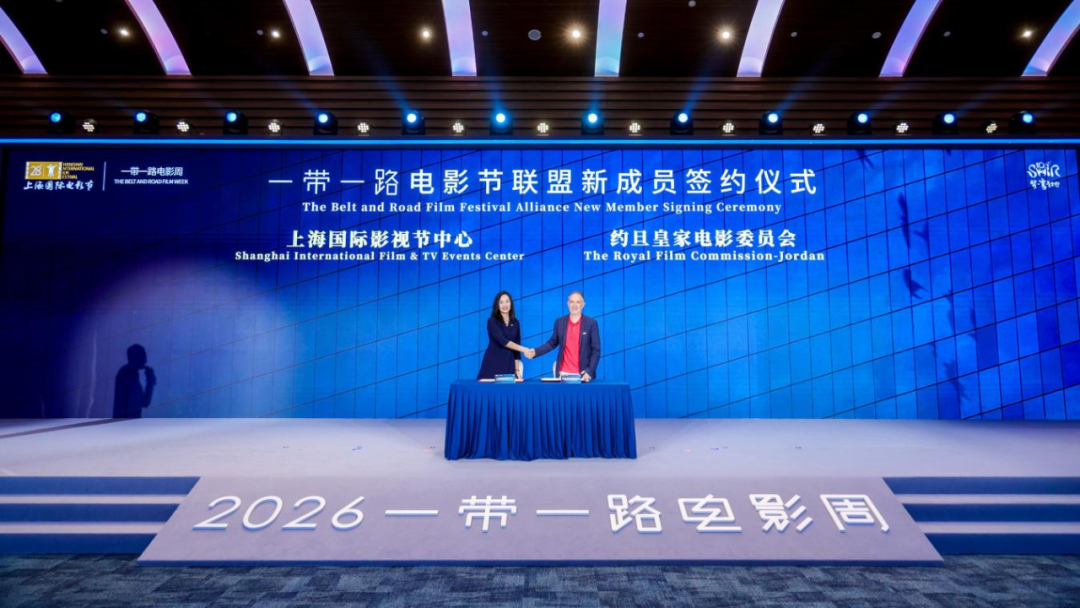
During this year’s festival, the Royal Film Commission of Jordan was officially welcomed as the 58th member of the Belt and Road Film Alliance. Through this ever-expanding alliance and mechanisms such as the “SIFF World Express” initiative, the festival has, since 2025, facilitated the overseas distribution of over 20 Chinese productions nominated by Golden Goblet Awards. This year, a new wave of works will once again set sail for international waters, ensuring that more young creators and their stories are seen, heard, and celebrated on the global stage.
Support for emerging talent is not only embedded in institutional frameworks—it is also passed down through the generous mentorship of seasoned filmmakers. At this year’s festival, renowned director Derek Yee served as producer for the opening film Afterpiece, and spared no effort in championing its director, Keane T.K. Wong, whether on the red carpet, at the gala, or during post-screening events. For this young filmmaker, who first worked as Yee’s assistant director at the age of nineteen, the veteran’s stance was unequivocal: “It’s our duty to pass on the craft and experience of this industry, so that a new generation can truly rise. Filmmaking, after all, is nothing without the relay of generations.” In an interesting twist, at a later SIFFORUM session, Nick Cheuk, director of Time Still Turns the Pages (another film produced by Yee), shared a different perspective: “I’d heard he had a fearsome temper, so I prepared all sorts of plans to handle his criticism. In the end, not one of them was needed.” On set, what the celebrated director said most often was simply: “You’re the director. You make the call.”
Nurturing new talent requires long-term and systemic efforts. This year’s audience favorite Dear You has sparked widespread public buzz. At a SIFFORUM session, Li Jie, President of Damai Entertainment, shared the backstory of the film with a perspective that dovetailed perfectly with SIFF’s own philosophy: “As content creators, we must hold fast to a long-term vision, supporting young directors with patience and commitment while cultivating quality content.”
A Festival for Cinephiles
Where Audiences Feel the Cultural Pulse of Shanghai
The official promo for this year’s festival carries the theme: “Step into the story”. In it, a jigsaw puzzle piece glides past landmarks across Shanghai—a concept co-created by director Wang Tong and actors Huang Bo, Wan Qian, and Feng Maya: every audience member about to enter the theater is the final piece that completes the story of the “City of Film”. Cinephiles and audiences are not mere spectators but indispensable participants in the festival, and this audience-first approach to programming embodies the cultural pulse that defines Shanghai.
This year coincides with the 105th anniversary of the founding of the Communist Party of China, and SIFF curated a special program, “Grand Landscape: A Cinematic Portrait of China”, featuring 15 classic works. Liu Haibo, President of the Shanghai Film Critics Society and a professor at Shanghai University’s Shanghai Film Academy, discerned the thoughtful design behind it: “The locations of these films, when mapped out, form a full circle around China.” Starting from Shanghai with The Creation of a World, journeying north to the Northeast with The Taking of Tiger Mountain, turning to North China with Lover's Grief over the Yellow River, heading west to Xinjiang with Visitors on the Icy Mountain, southwest to Yunnan and Guizhou with Ashima, down to the south with Third Sister Liu, and across to Hong Kong with C'est La Vie, Mon Chéri—from the snowy plateaus to the Pearl of the Orient, these 15 films trace a magnificent humanistic and geographic portrait of China through light and shadow. This curatorial vision resonated deeply with audiences, with “4K Restoration”, “Viva La Festival” and “Asia Now-Asian Collection” emerging as the top three most popular sections when ticket sales first opened.
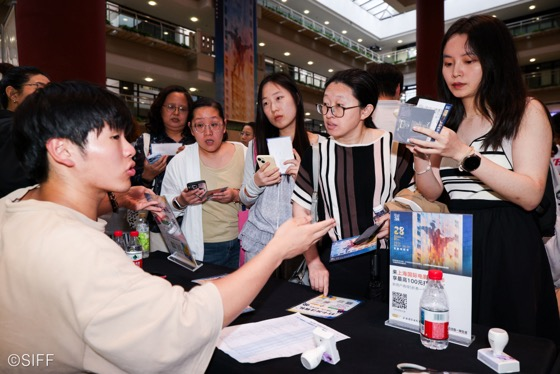
This year’s festival introduced a special “Extended Screenings” program, keeping the cinematic afterglow alive with an additional week of shows at designated cinemas beyond the official festival dates. The screening lineup featured over 420 films from 77 countries, with more than 1,600 screening sessions in total. Through two rounds of ticket releases, audience enthusiasm showed no sign of waning. One movie-goer quipped that while she used to feel her heart race and hands tremble at the ticket-buying window, she had now become so adept that she’d “evolved into a ruthless ticket-grabbing machine”. Mr. Sun, who moved from Hefei, Anhui to Shanghai Jiao Tong University for graduate studies last year, found himself multitasking—fingers flying on the ticket app while physically making his way to Shanghai Film Art Center, fulfilling a long-held dream of experiencing the festival in person. Once screenings began, audience fervor only intensified. Huang Qi, 56, managed to secure 41 tickets, curating her own private cinematic feast. She arrived fully prepared with what she called her “super gear kit”: jacket, lumbar cushion, and a variety of glasses for different screening conditions. Young cinephile Wan Lei, meanwhile, kept a rigorous schedule, dashing from one show to the next and writing thoughtful reviews after every single screening. “I’d love to join the SIFF Passport stamp activity,” he admitted, “but every spare moment I have during the festival is packed with films. This is the highlight of my year, and nothing else comes close.”
A festival without face-to-face exchanges between filmmakers and audiences would hardly deserve to be called a celebration for cinephiles. This year’s festival continued to cultivate its “post screening events” program, featuring over 100 post-screening sessions and filmmaker meet-and-greets, including three SIFF MASTERCLASS sessions and four special events, all densely packed into the festival schedule. At the same time, the new SIFF SALON initiative brought filmmakers and audiences together at various welcoming urban social spaces across the city, expanding both the temporal and spatial dimensions of interaction between film artists and their fans, a move that proved immensely popular with festival-goers.
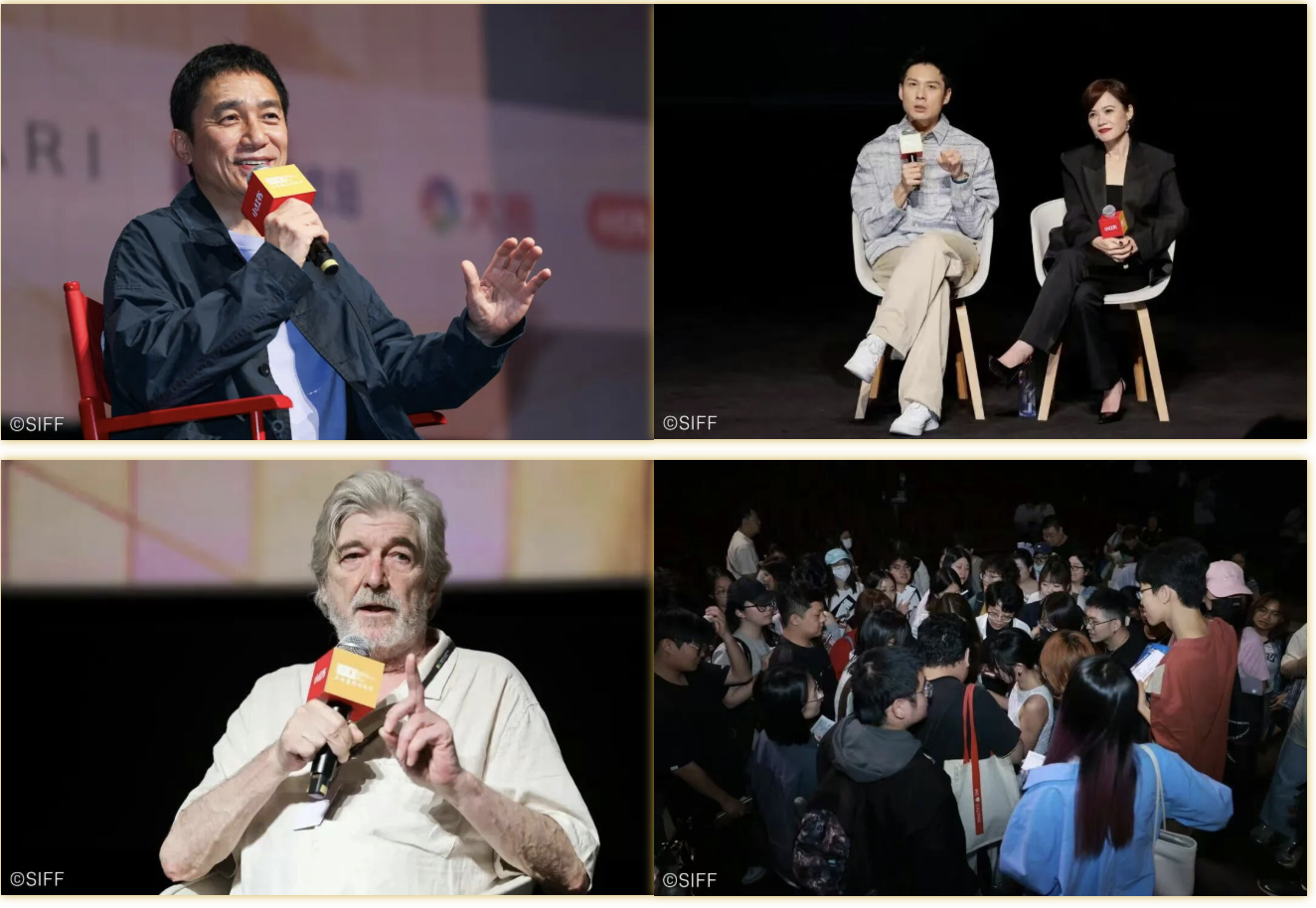
Tony Leung Chiu-wai made an appearance at the 1,000-seat grand hall of SHO, where he met with the audience to a warm reception. The famously introverted actor kept the crowd in stitches with a steady stream of witty remarks and amusing behind-the-scenes anecdotes about working with celebrated directors. Yet his professionalism also commanded deep respect. When asked why his preparation for films often takes so long, he replied: “Because I want to arrive on set with no burdens at all, just pure enjoyment. When you prepare thoroughly, you can have fun with it. It’s really just ‘creating for joy’.” Centenarian Lisa Lu once again delivered a tender and unforgettable moment at a post-screening event for her film The Arch. Moved by her presence, audience members reflected: “There are loves that transcend time, and you can feel her deepest devotion to cinema.” Others remarked: “Not only is her acting masterful, but she never stops. A lifetime devoted to film, giving her all—such artistic devotion stands unparalleled.” Some found themselves deeply inspired, their faith in the continuity of cinema renewed: “Ms. Lu has set a benchmark for young filmmakers.” And perhaps most poignantly: “Her very presence is the power of cinema.”
Shanghai’s vibrant film-watching culture owes much to the dedication of its screening cinemas in pursuing excellence. This year’s festival screened across 47 cinemas in Shanghai, with its “Yangtze River Delta Screenings” extending to five cities in the region: Nanjing, Suzhou, Hangzhou, Ningbo, and Hefei. All participating cinemas offered not only top-tier facilities but also services that consistently lived up to “festival standards”. The Donggong Cinema of Hudong Workers’ Cultural Palace, which rejoined the festival after 16 years, holds a special place in the hearts of local residents. Beyond its main 1,000-seat Hall 1, the cinema went the extra mile by opening Hall 2 around the clock as a resting area for out-of-town movie-goers, a gesture that did not go unnoticed. Hubei Cinema likewise made waves among cinephiles this year with upgrades to both its hardware and soft services. In a playful yet earnest touch, they put up banners reading: “This year, we promise not to disturb the next hall over!” and “Our staff have unlocked the ‘100-meter silent sprint’ skill!”, acknowledging minor past issues with humor and offering concrete improvements. Moviegoers were charmed, with one remarking, “They’re so thoughtful it almost overwhelms you,” while another vowed, “I owe them a ticket. I’ll make sure to pay it back.”
Whether in scheduling or service, sincerity is always the ultimate game-changer. This year’s festival carried that ethos through every step and every touchpoint, treating every single audience member with genuine care, and in doing so, completed the luminous mosaic of the “City of Film” in this early summer.
Technology at the Forefront
New Frontiers Find Their Testing Ground in Cinema
Technology is the hardwired engine of cinema, and a catalyst for emerging cinematic aesthetics. As Shanghai positions itself as a global center for film production and creation, this year’s SIFF seized the momentum to deepen the integration of “film + technology”, strengthening the vital links between art, industry, and technology.
This edition upgraded its Technology Creation and Fabrication section, leveraging a multi-pronged approach that included film technology forums, immersive experience of cinematic creation ecosystem, and live demonstrations. The section highlighted Shanghai’s recent breakthroughs, particularly from Shanghai High-Tech Films and Televisions City, in high-end production and the real-world application of cutting-edge technologies. In addition, the festival brought film technology to life for audiences through virtual reality screenings, special science-focused film presentations, and the selection of the sci-fi blockbuster The Decisive Moment as this year’s closing film. In partnership with Jing’an District, the “SIFF Immersive” section presented multiple international XR works in their global or Asian premieres. Audiences were offered not just screenings but also pre-show guided sessions that unpacked the technical principles and creative concepts behind the works which enrich their understanding and appreciation. Departing from the conventional model of centralized audio playback and fixed-seat viewing, these VR experiences also demonstrated a fresh market prototype for seated immersive cinema.
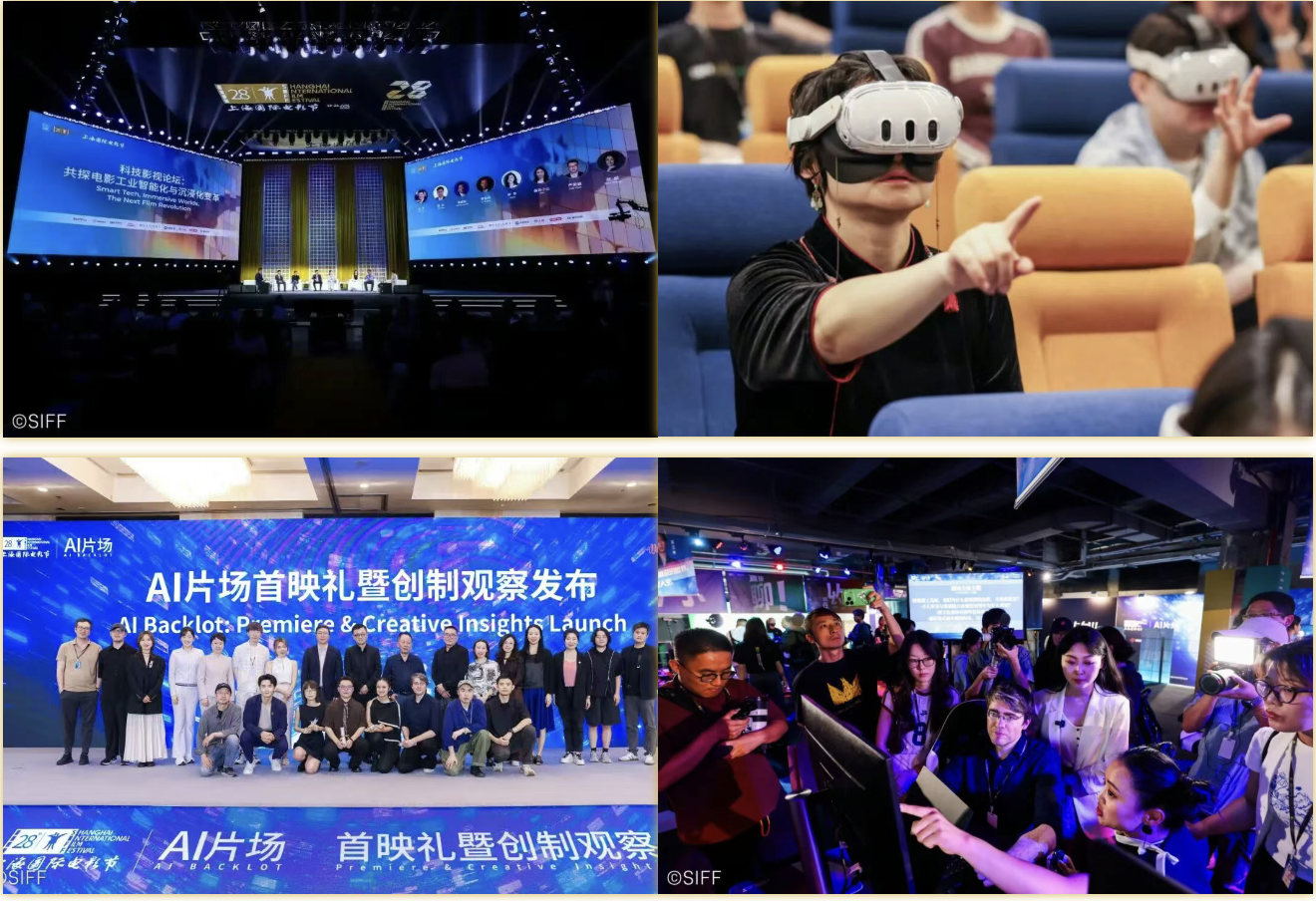
AI Backlot, which kicked off ahead of this year’s festival, became a major media focal point, precisely because it captured the seismic waves AI creation has sent through the film industry. The initiative drew nearly 500 creators from 7 countries and regions. Among those ultimately selected were Yu Xi, who had already won a Golden Rooster Award for Best Screenplay for 1921; Li Xinxin, a post-2000s MFA candidate in filmmaking at the School of Theater, Film and Television of Communication University of China; Wu Hankun, an actor who had already made a name for himself in the film Creation of The Gods; and Wang Ze, an industry newcomer who said he was “eager to be seen as a debut director”. Each was assigned a team to create a work, with all films premiering during the festival. The experience proved immensely rewarding. Yu Xi achieved his goal of “running the full AI-assisted production pipeline”, because the project’s focus extended beyond final outputs to the very process: how ideas are generated, how roles are assigned, how traditional experience in directing, screenwriting, and cinematography enters the new creative workflow, and which areas still require human judgment and expertise. Li Xinxin, who devoted every waking moment to studying the features of various AI generation platforms, gained the invaluable opportunity to learn from and spar with peers. The project culminated with the public release of its “AI Backlot Project Engineering Files” for download, a resource the industry values above all else.
The Industry Report on AI-driven Visual Creation, compiled by the section’s academic advisory team, has now been officially released. At a moment when AI creation has become the industry’s hottest talking point, SIFF, true to its platform mission, responded with the launch of AI Backlot, conveying a measured stance: neither anxious nor detached. The hands-on practice also sent a clear message to all participants and onlookers alike: even as AI takes its place on production sets, human creativity stands at the core of all filmmaking.
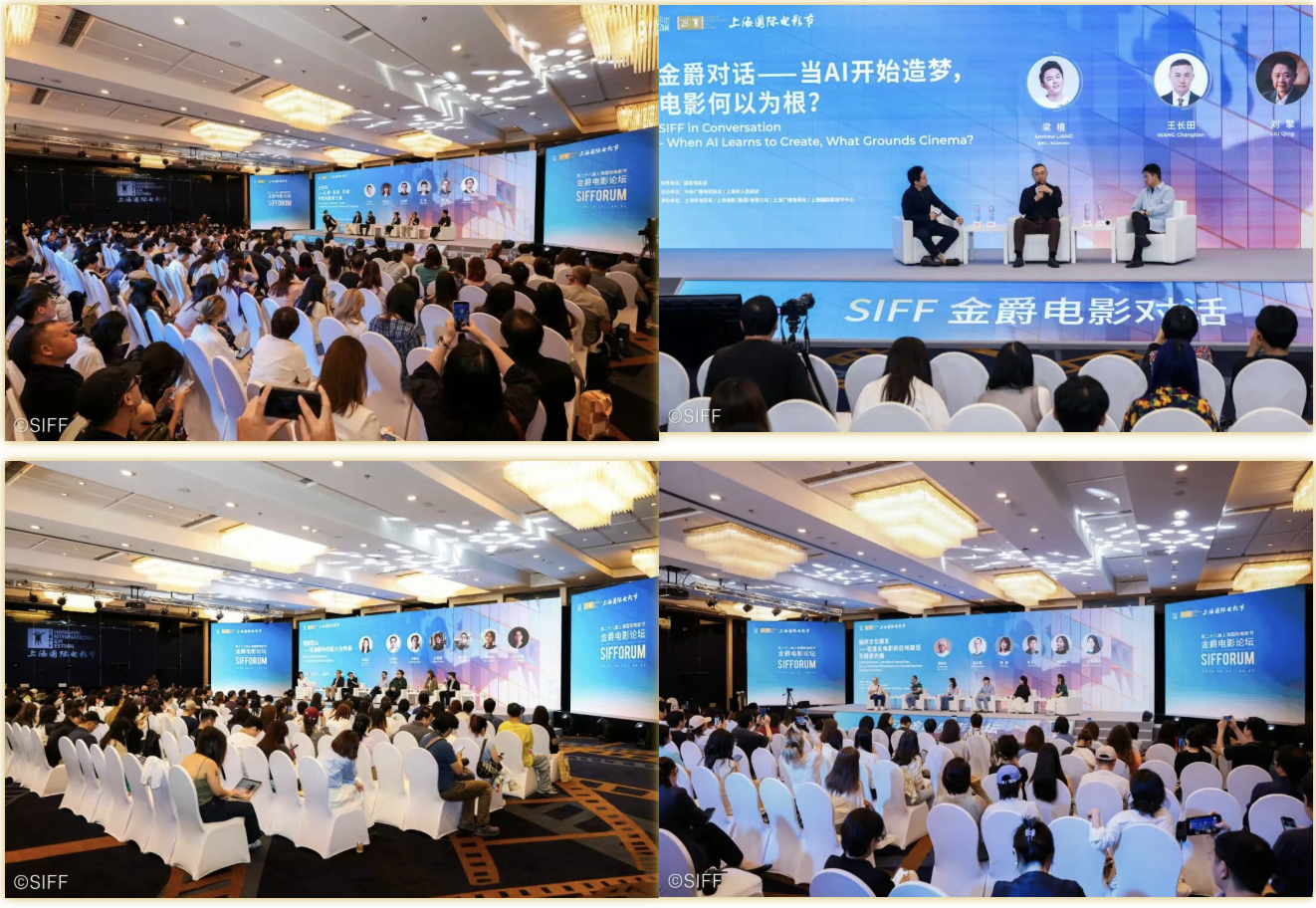
This year’s festival not only provided a space for experimentation but also, as always, offered a “roundtable” for experts and representatives from film technology, the film and television industry, and the field of artificial intelligence to convene in Shanghai and brainstorm, opening up new possibilities for putting cutting-edge theories into practice. As renowned director Huang Jianxin remarked at the SIFFORUM: Smart Tech, Immersive Worlds: The Next Film Revolution: “Don’t set limits. Let them discuss. The sparks that fly often surprise you.”
It is also thanks to platforms like this festival that China’s film technology continues to advance with bold strides. Gong Bo, Party Secretary and Director of the China Research Institute of Film Science & Technology, revealed that China is currently leading the development of international standards for “film AI” within the International Organization for Standardization (ISO), with corresponding domestic standards already in the pipeline. On the industrial front, Chinese companies are likewise pushing audio-visual technologies and LED screen technologies onto the global stage, with the hope that Chinese enterprises will one day hold independent, controllable technical standards worldwide, breaking monopolies and ensuring the sustained output of high-quality content.
Passion for new technology runs high, yet Shanghai’s filmmakers maintain a clear-eyed perspective on its boundaries. Whether veteran directors like Huang Jianxin, Yu Baimei, and Zhang Chiyu, or emerging voices like Wang Ze and Li Xinxin, they all share a firm conviction: technology exists solely to serve creative storytelling, and the ultimate benchmark of a remarkable film hinges on its narrative and emotional resonance.
International Reach
Filmmakers from Around the World Gathered by “Shared screens, Shared worlds”
Shanghai offers the world a vital lens to understand China, while standing as a core gateway connecting China to the rest of the globe. As China’s sole “A-list” film festival, SIFF consistently works to assemble worldwide film resources and foster intercultural dialogue and mutual appreciation. Gathering filmmakers and industry professionals from every corner of the planet, the festival brings to life the beautiful vision of “Shared screens, Shared worlds”.
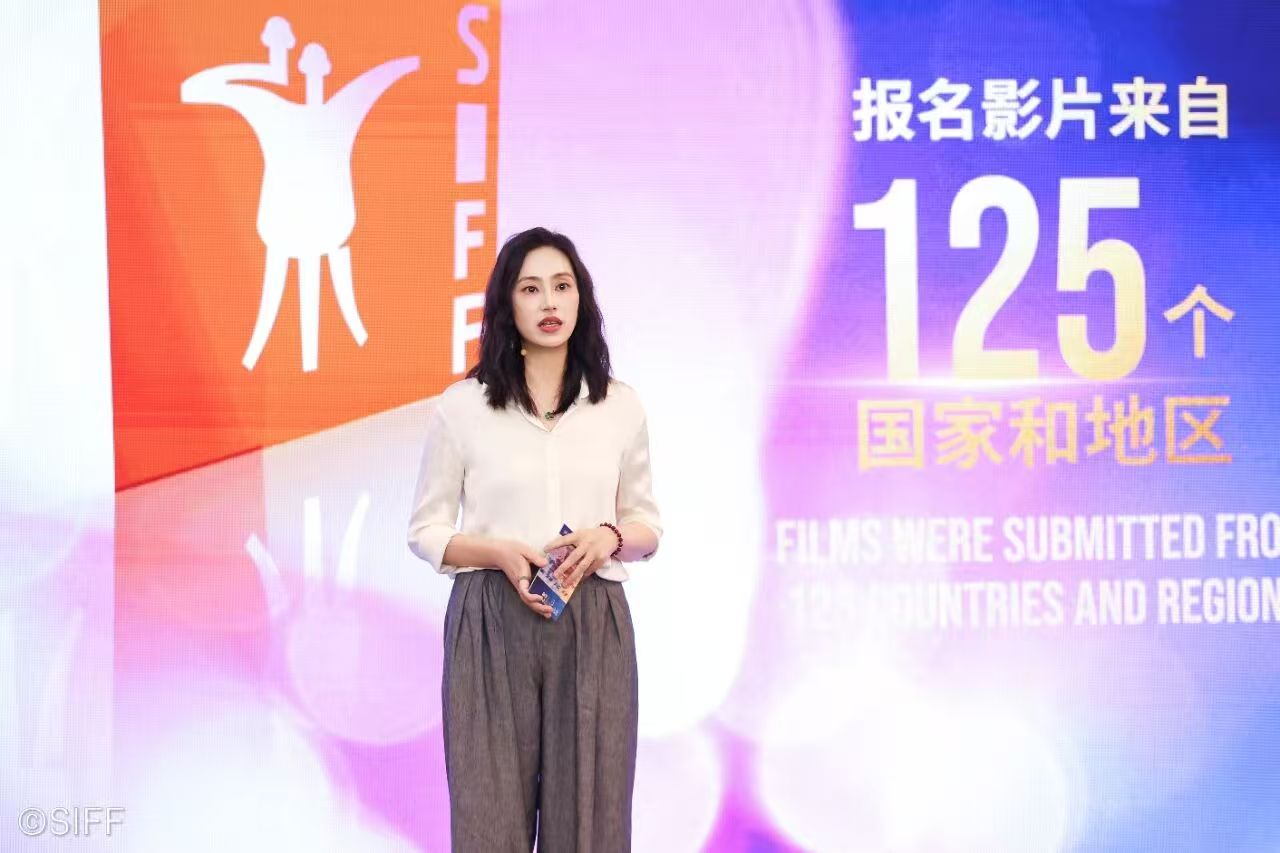
At this year’s Opening Forum of SIFFORUM, leading figures from several of the world’s major festivals and industry organizations convened for a discussion centered on the question: “Are film festivals still indispensable today?” The answer from Berlinale Director Tricia Tuttle, Toronto International Film Festival CEO Cameron Bailey, Hong Kong International Film Festival Society’s Executive Director Albert Lee, and former President of the Motion Picture Academy of Arts and Sciences Janet Yang was unanimous: “Film festivals matter more than ever.” They emphasized that festivals bring together every link in the industry chain, enabling talent and outstanding works to stand out and reach broader audiences. They also voiced the need for closer collaboration among festivals. Tricia Tuttle observed: “A creator might debut in Shanghai, then go on to Cannes, Berlin, Venice, and each festival can help the work connect with local audiences and industry resources, deepening its creative foundation and building a more complete industry ecosystem.” And as if to illustrate her point, this year’s fastest-selling film at SIFF, Ross, was precisely the critical darling that had earlier made waves in the Main Competition at the Berlin International Film Festival.
There is no doubt that SIFF, now established as a vital part of the global cinematic landscape, has grown increasingly attractive to international filmmakers year by year. This year, the festival’s flagship Belt and Road Film Week returned once again to the Shanghai International Resort, while the Belt and Road Film Alliance welcomed another new member: the Royal Film Commission of Jordan. The alliance has then expanded from 31 institutions across 29 countries at its founding to 58 institutions across 51 countries today. The results have been impressive: since its inception in 2018, 67 Chinese films have been introduced to overseas markets through the alliance, while over 1,000 films from partner countries have been screened in China, opening ever-wider channels for cultural exchange in both directions. Mohannad Bakri, Managing Director of the Royal Film Commission of Jordan, said his visit to Shanghai carried three main objectives: promoting Jordan’s advantages as a filming location, seeking to bring outstanding film and television works into the Jordanian market, and, most notably, gaining insight into China’s distribution model. “It is a market we are trying to learn from, a market we are looking to seize opportunities in,” he said.
A number of international filmmakers whose works were selected for this year’s festival screening sections made the journey to China specifically to connect with audiences. In the “Contemporary World Cinema-Australia Focus” section, the Australian feature drama Wolfram, directed by Indigenous Australian filmmaker Warwick Thornton, emerged as one of his finest works. The film, which previously competed in the Main Competition at the Berlin International Film Festival, draws its inspiration from the real-life experiences of Thornton’s great-grandmother and grandmother. A filmmaker with a deep affinity for Chinese culture, Thornton sees a profound resonance between Australia’s cultural fabric and that of China, as both countries are home to rich linguistic and regional diversity. “Multiple languages open up multiple cultures and multiple worlds,” he observed. Finding kindred spirits for his work in Shanghai brought him great satisfaction. As he put it: “Exploring who we are and where we come from is a shared creative pursuit for filmmakers everywhere.”
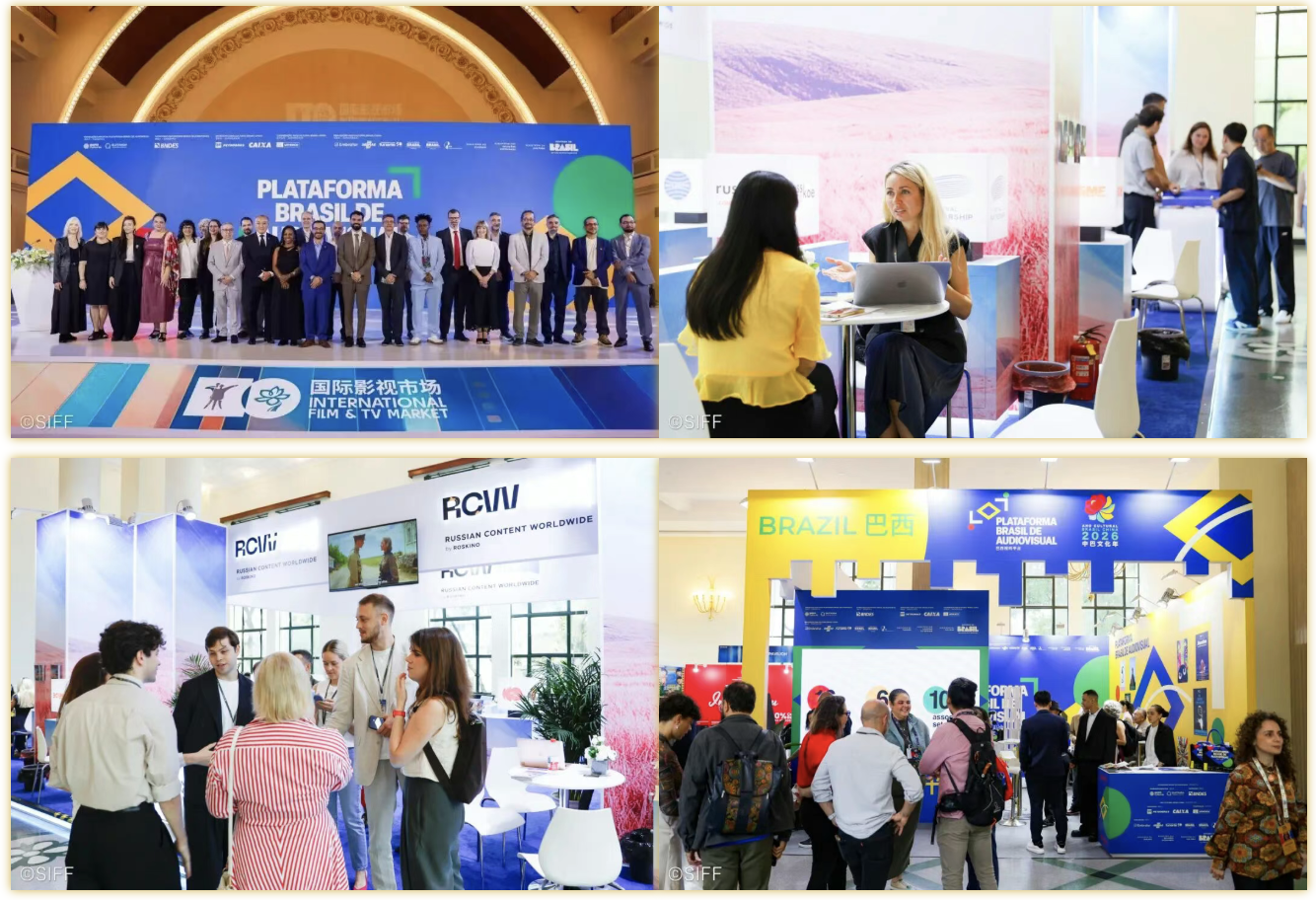
International filmmakers in Shanghai didn’t just stop at content and creative exchanges; they threw themselves into industry events with equal enthusiasm. This year’s International Film & TV Market attracted 75 international exhibitors from 15 countries, marking a 50% increase year-on-year. For the first time, the market adopted a “dual-venue” format: on one side, an “Overseas Pavilion” brought together film institutions from over a dozen countries to showcase their offerings, facilitating the “bringing in” of international content, while a newly launched “Chinese New Drama Pavilion” was dedicated to pushing local productions onto the global stage. An “International Buyers Club”, composed of key buyers with experience in distributing Chinese film and television works, was also established to help match Chinese content with potential partners worldwide. The online scheduling system for business meetings received nearly 300 requests on its very first day, and by the time the festival opened, that number had climbed to 1,000. In a similar vein, the Belt and Road Film Week unveiled a new “Full-Chain Industry Day”, opening its own matchmaking session; 63 Chinese and international institutions submitted 210 meeting requests ahead of the event, a clear sign of growing enthusiasm. Collaboration with China’s film and television industry is fast becoming a priority on the global agenda.
This year, the festival also capitalized on key diplomatic milestones to deepen cultural dialogue. An “Arabian Souk & Culture Market” celebrated Arab-Chinese cultural exchange; a special “Egyptian Film Week” was launched to mark the 70th anniversary of diplomatic ties between China and Egypt; and a “Focus Brazil” program was curated as part of the China-Brazil Year of Culture, with the International Film & TV Market kicking off with a “Brazil Night” gala. These initiatives not only strengthened Sino-foreign film cooperation but also lent vibrant cultural depth to important moments in China’s diplomatic calendar.
Cinema as a Driver of Consumption
A City of Film, Steeped in Legend and Alive with Vitality
At this year’s Gala Night, a sentiment struck a deep chord with filmmakers and was widely quoted by the media: “Shanghai, a city illuminated by the light of cinema for over 120 years, is itself a ‘City of Film’, one that never stops writing stories and crafting timeless legends.” And what keeps the stories renewing is the city’s constant wellspring of fresh creativity, fueled by the seamless integration of culture, tourism, commerce, sports, and exhibitions, which galvanizes every corner of the city and sustains robust economic vitality.
This year's festival once again demonstrated the enduring power of the “ticket-based economics”. As of June 19, the festival had welcomed 4,714 registered guests from 81 countries and regions, drawn 1,186 journalists from 342 domestic and international media outlets to cover the event, and attracted over 450,000 in-person screenings, with first-time attendees accounting for 27.08% of the total. Box office revenue for screenings reached nearly 38 million RMB. Preliminary estimates suggest that the festival generated over 5.295 billion RMB in economic spillover across sectors such as transportation, accommodation, dining, tourism, and retail, a year-on-year increase of 5.97%. Of this total, the catering sector captured approximately 1.17 billion RMB, accommodation 366 million RMB, transportation 181 million RMB, tourism 107 million RMB, retail spending 3.012 billion RMB, and leisure and entertainment 458 million RMB. Notably, transportation, tourism, and accommodation all posted significant growth. Among the audience, 70.73% traveled specifically to Shanghai to attend the festival, staying an average of six days, driving spending across lodging, transit, and local attractions, and contributing an estimated 2.293 billion RMB to the city’s tourism revenue, a year-on-year increase of 29.23%.
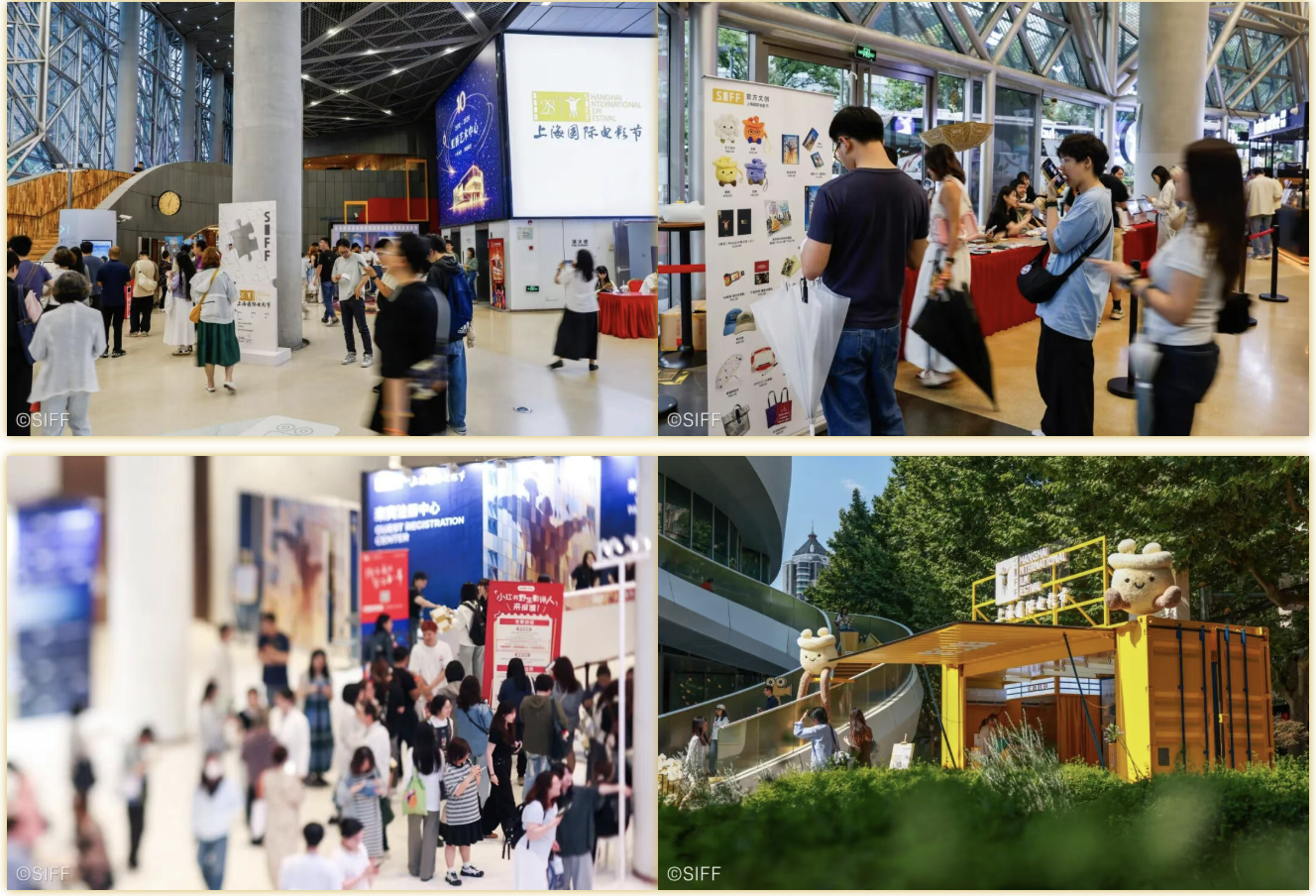
The “SIFF City Studio” mini-program, as of June 19, had logged over 200,000 visits. Audiences across the city, step by step, brought to life the idea that “the city is a studio, and every corner tells a story through light and shadow”.
“After my first screening ended, I didn’t have to wander aimlessly in the street,” said cinephile Zhang Li. She said she wanted a high-quality viewing experience without having to rush breathlessly from one screening to another, so she used to leave long gaps between shows, but this year, she could actually enjoy exploring the neighborhoods around the cinemas. And the festival’s three newly launched “film districts” were exactly what she was looking for. On Xinhua Road’s “Happy Lane” district, the SIFF City Studio found its first home. The Wukang Road film-themed neighborhood, anchored by the iconic Wukang Building, connects a string of cultural landmarks, and also houses a “SIFF Immersive Experience Space” where visitors could join intangible cultural heritage workshops and pick up festival merchandise. The Grand Yuyuan Area, meanwhile, offered a fusion of tradition and modernity, stretching from Yuyuan Mall to Bund Financial Center. Its “film-exhibition-dining” one-stop experience pooled a flood of young cinephiles, with many out-of-town visitors spontaneously joining in as well.
Beyond the three featured film neighborhoods, Shanghai, a city bathed in over a century of cinematic imagery, is dotted with countless buildings, street corners, and alleyways that radiate an unmistakable filmic and storybook charm. The festival curated a “Film-themed Map” spanning five districts, Huangpu, Jing’an, Xuhui, Changning, and Hongkou, and rolled out themed City Walk routes to guide explorers through the city’ most cinematic corners. In parallel, this year’s festival introduced five new experiential pillars designed to capture the city’s urban vibes of “Wandering, Ritual, Tech, Flavor, and Culture”. To bring these to life, the festival partnered with trendy neighborhoods, Trip.com, and Didi to evoke a sense of wandering; debuted a “SIFF Passport” to heighten the sense of occasion; collaborated with Songjiang’s industry parks to showcase technological innovation; joined forces with Meituan and Pudong’s markets to deliver authentic local flavors; and teamed up with content platforms including Bilibili, Xiaoyuzhou, and RedNote to cultivate a richer cultural atmosphere. This seamless integration of culture and consumption not only enhanced cinephiles’ sense of fulfillment and well-being but also gave a tangible boost to the city’s economy.
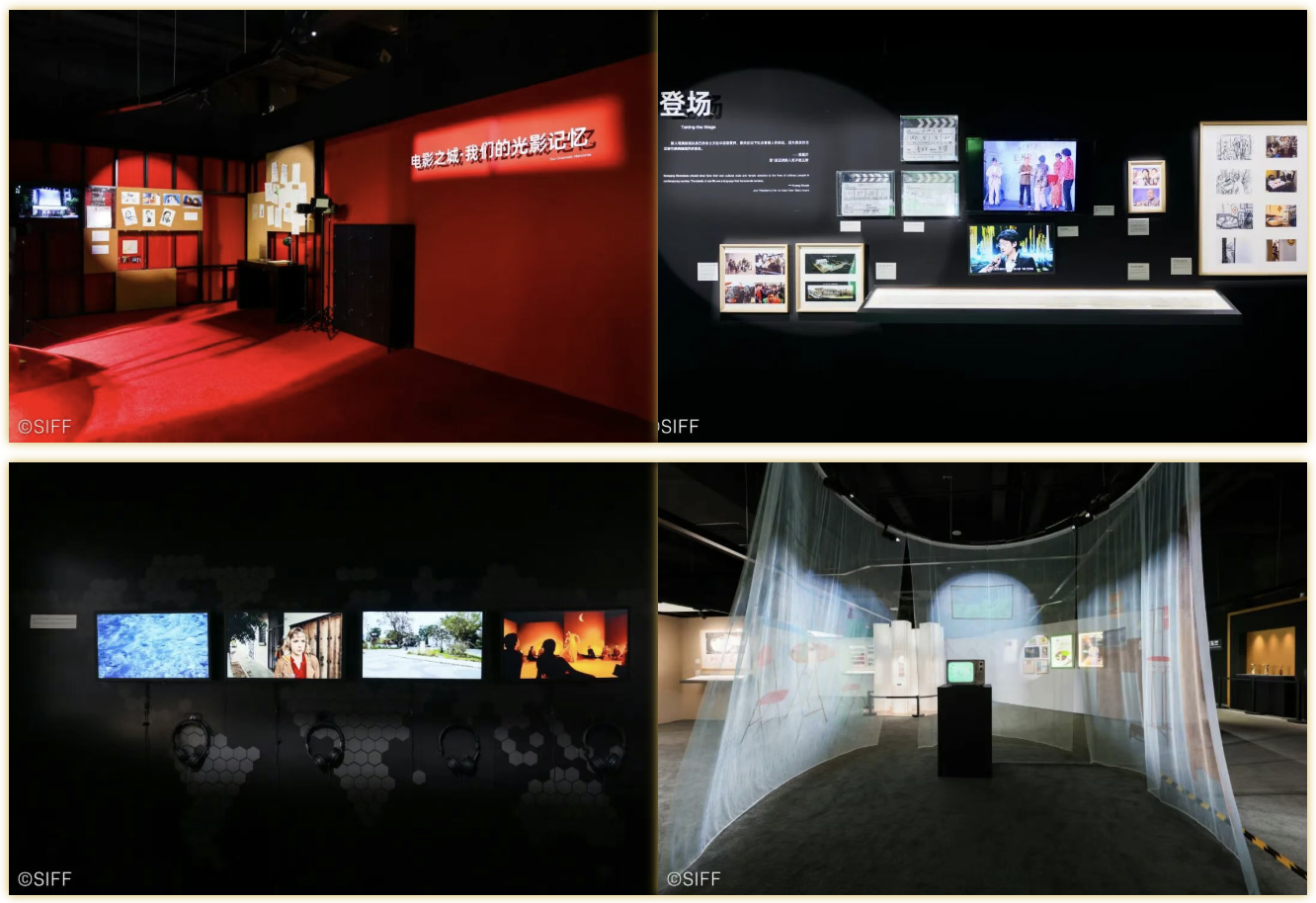
Before the festival officially started, “Stellar Splendor & Urban Pulse” – Shanghai International Film & TV Festival Special Exhibition opened at the Shanghai Film Art Center. Over its two-month run, the exhibition brought together generations of screen memories and urban impressions. Among the exhibits was a letter written 36 years ago by five-year-old Li Chen’ou to “McCall”, the heroine of the TV series Hunter. After the letter was featured in media reports and with the help of some dedicated viewers, a cross-time connection was made, bridging 36 years in a moment that moved countless hearts. One visitor, “Yuanlaishi nage ye”, left a five-star review: “Old newspapers from 1993, yellowed archival footage, they bring the stellar splendor and urban pulse of three decades ago vividly back to life... Every detail shows care. All that’s left after seeing it is emotion and aftertaste.” Since its opening, the exhibition has continued to gain momentum in both popularity and critical acclaim; by June 20, it held a 9.6 out of 10 rating on Damai and had topped Shanghai’s exhibition chart for multiple days. The synergy between the hit exhibition and festival screenings, mutually captivating audiences and channeling foot traffic between Shanghai Film Art Center and the nearby Happy Lane district, delivered a meaningful stimulus to local dining, retail, and transportation spending.
And of course, no festival would feel complete without the vibrant life markets that add to the celebratory atmosphere. At the Bicester Village in Pudong New Area, Mr. Qiao, a resident of Tangzhen Town, waited by the crescent-shaped waterfront with his six-year-old daughter. “They’re showing Nobody here tonight, so the whole family came over. My daughter and my wife both love this film,” he said. “Watching a movie outdoors, the atmosphere is just something else.” This year, the Belt and Road Film Week hosted an “Arabian Souk & Culture Market”, drawing large crowds of local residents and tourists alike. Visitors savored an array of exotic cuisines, picked up Arabian-themed cultural and creative products, and often rounded off the experience with some shopping at the village. Numerous cinemas also joined forces with their surrounding commercial districts, the Majestic Theater and FANCL Arts Center, for instance, collaborated with the Nanjing West Road business circle. These deeply integrated, interactive initiatives created a powerful synergy, layering “film + consumption” into a richer, more rewarding experience for all.
This year’s festival bears the poetic theme: Lights, Camera, Stories. The magic of light and shadow lies in its power to immortalize humanity’s full spectrum of joy and sorrow, reunion and parting. Filmmakers from every corner of the globe converge and connect in Shanghai, jointly refining every hue of cinematic imagery with meticulous craft. Nurtured by legions of cinema lovers, Shanghai in turn charts a luminous path for the art of cinema, unfolding the next stirring chapter in its legacy as the “City of Film”.


 Shanghai Municipal Administration of Culture and Tourism