SIFF MASTERCLASS | Anthony Chen: Stay Uncompromising in Creation to Face Your Future Self
On the evening of June 18, Singaporean director Anthony Chen, Jury President of the Asian New Talent section of the 28th Shanghai International Film Festival (SIFF), appeared alongside his long-time collaborator, Malaysian actress Yann Yann Yeo, at SHO Dolby Auditorium. They held an in-person exchange with audiences who had just watched the screening of his new film, We Are All Strangers.
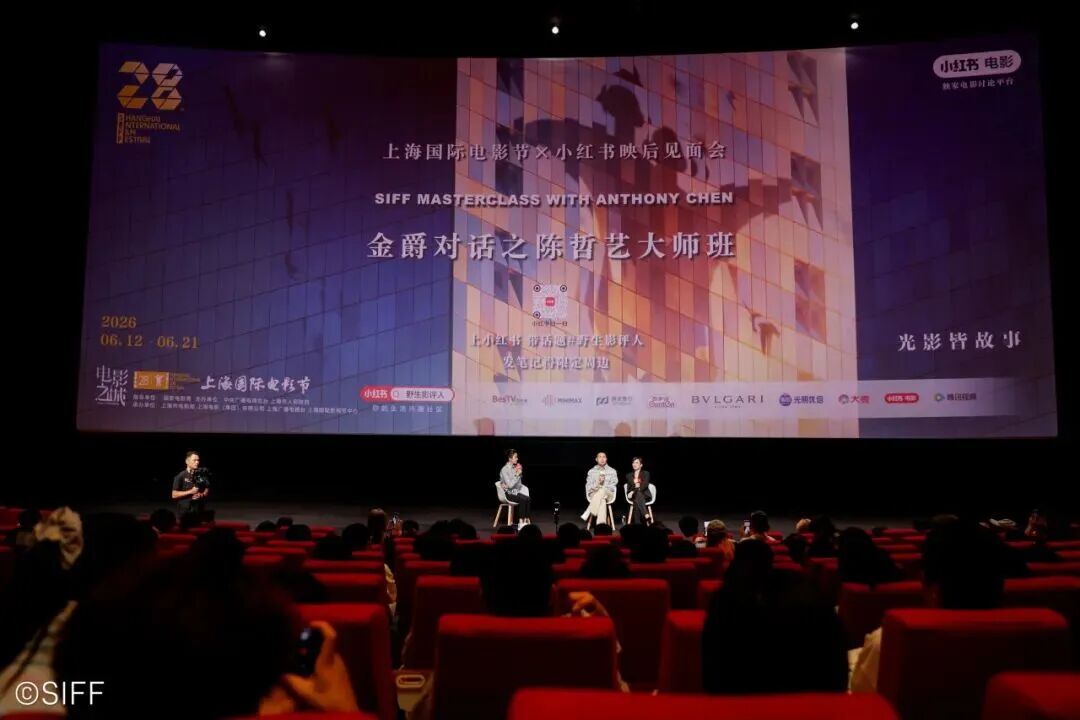
“I’m actually glad my son isn’t crazy about movies. He can spend four or five hours watching tennis matches, yet often turns down my invitations to go to the cinema with me…” The father and son on screen taste joy and sorrow amid everyday conflicts, and as a father off-screen, Anthony Chen candidly shared his heartfelt reflections with the audience: “I’ve learned so much from my boy. Whenever I feel like giving up, I look at him, and he makes me believe I can do better next time.”
He also spoke highly of Yann Yann Yeo’s pivotal bus scene, where she eats an apple in We Are All Strangers. “It captures that tangled emotion of having found love yet sensing it slipping away in an instant. It was an extremely challenging scene, but she pulled it off brilliantly. All the pressure fell on her shoulders during filming, yet there was complete trust between us—I trusted her, and she trusted me. This bond goes far beyond budgets and funding; we had absolute faith that we could pull this off together.”
Two Decades of Deep Creative Bond: The Cast Replacement Incident
Anthony Chen
Spanning thirteen years, Anthony Chen’s coming-of-age trilogy stretches from Ilo Ilo (2013) and Wet Season (2019) to his latest feature We Are All Strangers. Over this long journey, he and actress Yann Yann Yeo have forged an exceptionally deep creative bond.
At the post-screening event, the two shared little-known behind-the-scenes stories about their collaboration with Shanghai fans. As far back as two decades ago, when Anthony Chen was filming his short film Grandma, he immediately took notice of Yann Yann Yeo. “Her face is incredibly cinematic,” he recalled.
Anthony Chen was serving his mandatory national service in Singapore at that time. Worried about his ailing grandmother, he penned the script for Grandma, and only had seven days of military leave to wrap the entire shoot. Yann Yann Yeo still remembers their first meeting vividly: “On the filming day, I saw a man in military uniform sitting by the monitor. I wondered who he was. Then I realized it was the director—he was so young!”
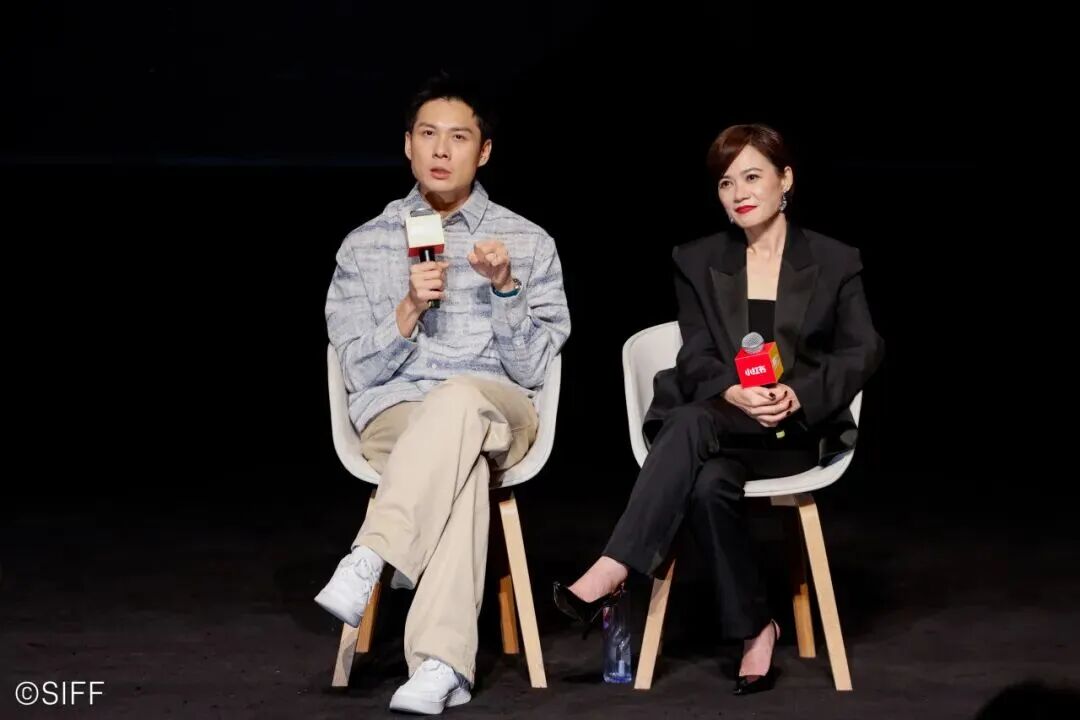
She played the rebellious teenage daughter in the short. At first, Anthony Chen instructed her not to shed any tears. Yet right after the first take, he gave a new direction: “Can you let just one single tear fall from your left eye?” In that moment, Yann Yann Yeo knew this was a meticulous, thoughtful director with exacting standards for his work. “I instantly loved his approach!”
In the following decade, Anthony Chen kept collaborating with recurring performers including Yann Yann Yeo and Jia Ler Koh to complete his coming-of-age trilogy. Bound by complete mutual trust, they are as close as family. Anthony Chen admitted that he once seriously considered recasting the lead midway through development. During pre-production for Ilo Ilo, the film was scheduled to start shooting mid-year, but Yann Yann Yeo discovered she was pregnant early that same year. Concerned for her health, he auditioned numerous alternative actresses yet never found anyone suitable. Later, Yann Yann Yeo sat down with him for an hours-long heart-to-heart talk. The pair ultimately rewrote the script to incorporate the character’s pregnancy, and even planned to film the actual childbirth scene.
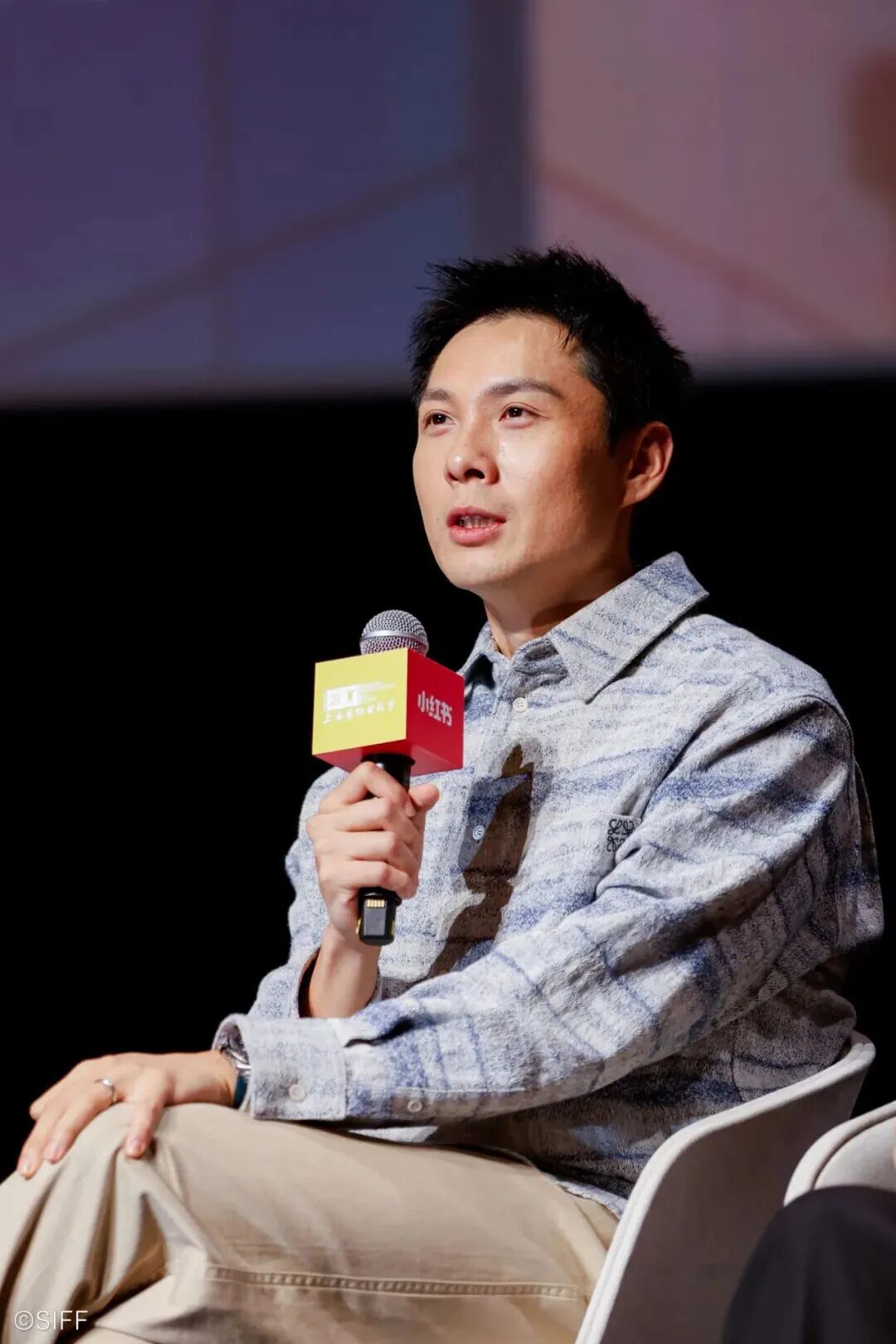
For Yann Yann Yeo, that period felt far more “precarious”. The moment she heard Anthony Chen was thinking of recasting her, she bombarded him with messages to fight for the role. “It’s rare to see an actress carry on filming while pregnant, yet I wanted to challenge myself and prove I could keep performing.” She reflects that Ilo Ilo fully documented her journey into motherhood and the birth of her child. “My son is already fourteen, and he’s come to Shanghai with me this time. This film is a precious visual record of my life, and it was also his very first ‘job’—he had to start working the second he opened his eyes. I even asked the crew for an official on-set photo of him back then.”
When shooting Wet Season, Yann Yann Yeo was still recovering from postpartum depression. “That phase marked a major turning point in my life,” she shared. She cherishes this decade-long creative bond, as their films preserve the unique experiences and inner thoughts of both director and actress across different stages of their lives. “As an actress, I feel incredibly fortunate to be part of such a wonderful team. The stories we create never fail to touch audiences deeply.”
The Divide Between Great and Ordinary Acting Lies in Your Breath
Anthony Chen
Anthony Chen describes himself as an uncompromising perfectionist utterly devoted to his craft. His stage debut at age ten cultivated an exacting eye for pauses, rhythm and breath in performances. He can pinpoint minute details as early as the scriptwriting phase and personally demonstrates scenes for actors on set. “How can you sink into a character if your breath is off? Every layer of performance, every emotion and feeling lives within pauses and breaths. Many actors deliver their lines with great effort yet neglect their inner sentiment—and it is that inner emotion that dictates when you pause, when you draw breath.”
Yann Yann Yeo knows all too well his relentless pursuit of this “sense of breath”. During her audition for Ilo Ilo, Anthony Chen repeatedly told her to dial back her emotion even further. After several takes, Yann Yann Yeo blurted out in frustration: “Director, if I hold back any more, there’ll be nothing left of my performance.” To which Anthony Chen replied: “That’s exactly what I want—for you to stop performing.”
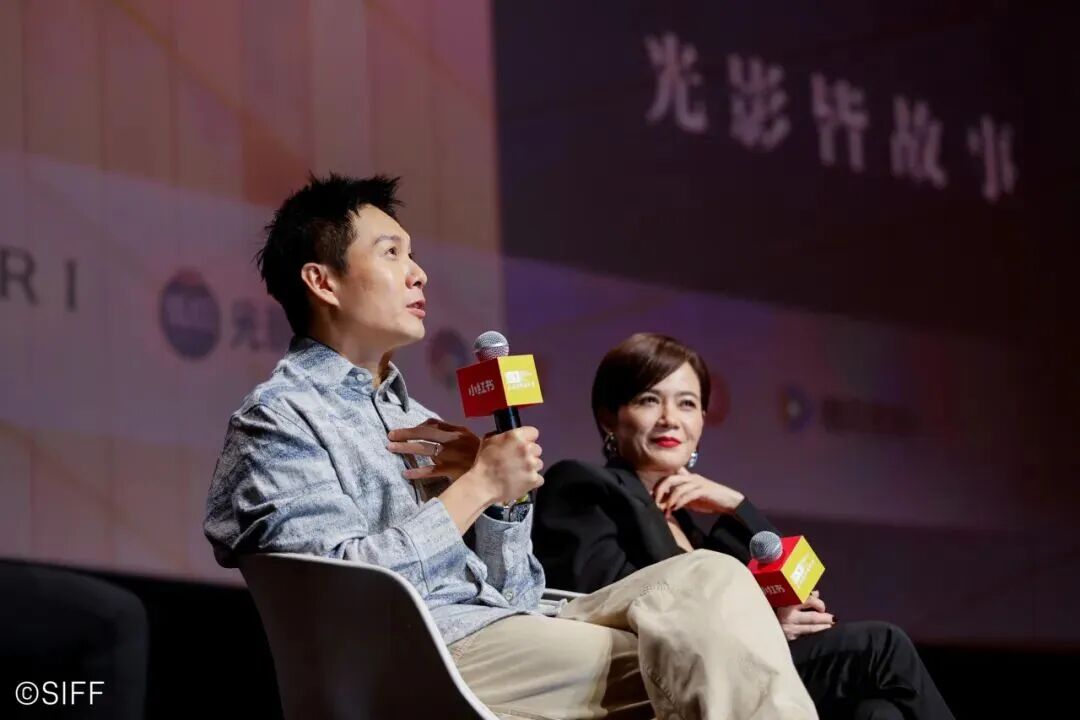
Throughout filming, she kept pressing him to define his benchmark for ideal acting. “One line he said has stayed with me ever since: The divide between great and ordinary acting lies in your breath. From that day on, I’ve spent every moment searching for the distinct layers hidden between each inhale and exhale.”
For the lengthy single take in Wet Season depicting the lead’s father-in-law passing away, Anthony Chen did not even watch the monitor—he judged the authenticity of her tears solely by sound. “There’s a Chinese idiom that describes grief so deep it feels as though one’s insides are tearing apart. When someone is truly heartbroken, genuine sorrow can be heard in their weeping.”
Anthony Chen holds actors to exacting standards, yet he is far harder on himself. Though he chases perfection, he acknowledges no film can ever be flawless; his only recourse is to pour every ounce of sincere feeling into his work. “I cried while filming Wet Season for the first time, and the same happened with We Are All Strangers. A single frame, a split second, and my emotions overwhelm me.”
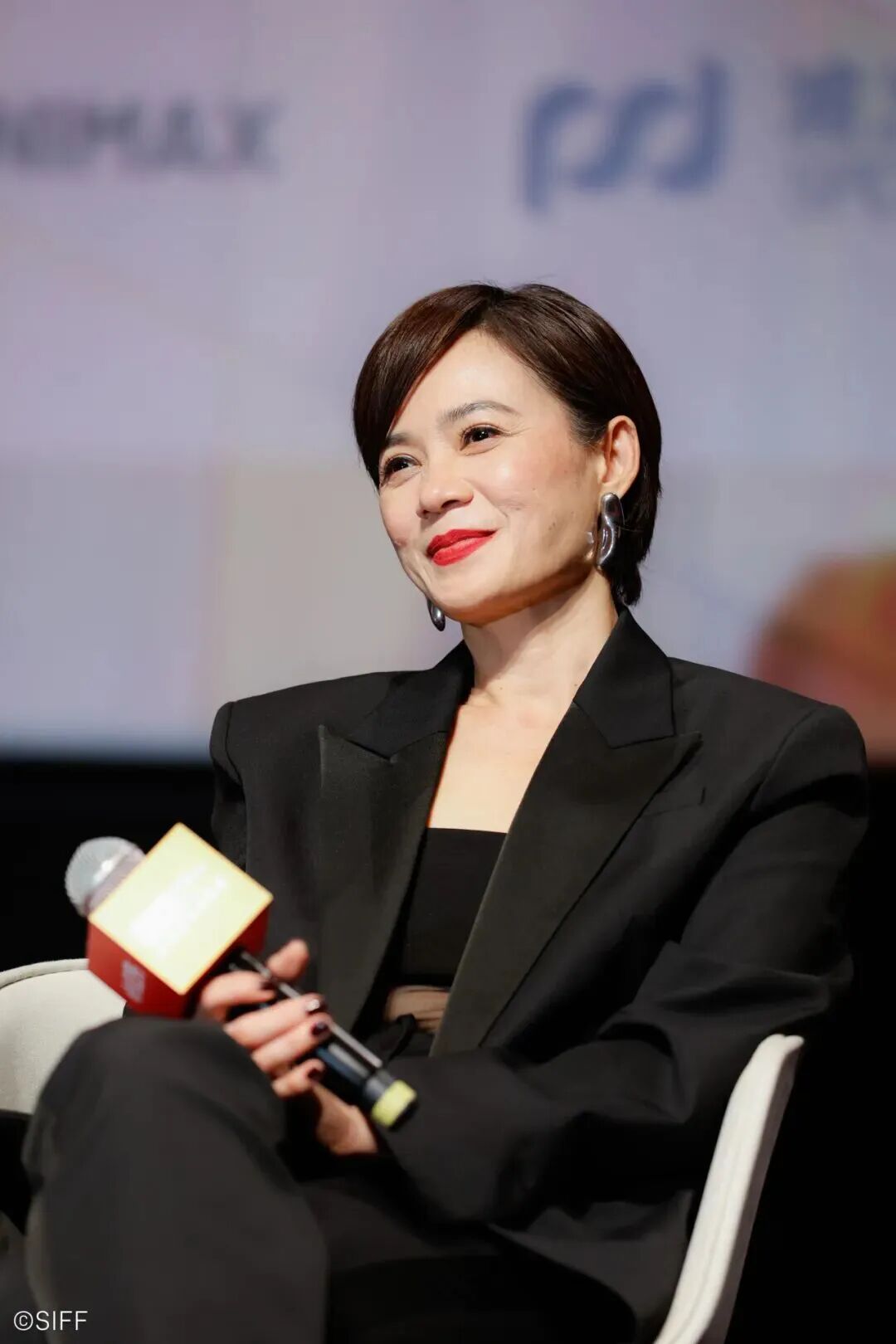
He admits endless retakes can push both himself and his cast to breaking point. “Sometimes it’s not that I won’t let the actors off the hook—it’s that I won’t let myself off the hook.” To his mind, genuine feeling missed on set can never be fully mended in editing, leaving only forced, performative traces on screen. “Failing to capture the moment I envision fills me with utter frustration.”
Yann Yann Yeo jokes she keeps her distance whenever the director falls into his obsessive, unyielding streak. “Actors need space on set to think clearly. If I get swept up in the director’s intensity, I lose the emotional grounding of my character in that moment.”
Advice for Emerging Directors: Practice Constantly, Stay True to Your Original Aspiration
Anthony Chen
Having spent years in filmmaking, Anthony Chen has also endured spells of confusion. Yet every time setbacks strike and self-doubt creeps in, cinema heals him all over again. When he steps into theatres to watch classics from the 1950s and 1960s, he reconnects with film’s unique power to move people and regains the drive to keep creating. “It may not just be the act of creation that heals me. There have been countless moments I wanted to give up, yet cinema always pulls me forward in the end.”
His Coming-of-Age Trilogy fully traces Anthony Chen’s spiritual evolution over two decades. From his twenties to his forties, he has journeyed through youth, passed his thirtieth birthday, and embraced fatherhood. He admits his mindset has shifted drastically: he once forbade actors from altering a single line of dialogue, but now he sits with his core crew for script table reads, embracing emotions and story beats that emerge organically from each character. “I am always growing and experimenting with new approaches. The soul of my films remains unchanged, yet you can see me testing new techniques in blocking, sound design and dialogue. I cannot stand hitting a creative plateau. If I were merely repeating myself, I would likely stop making films altogether.”
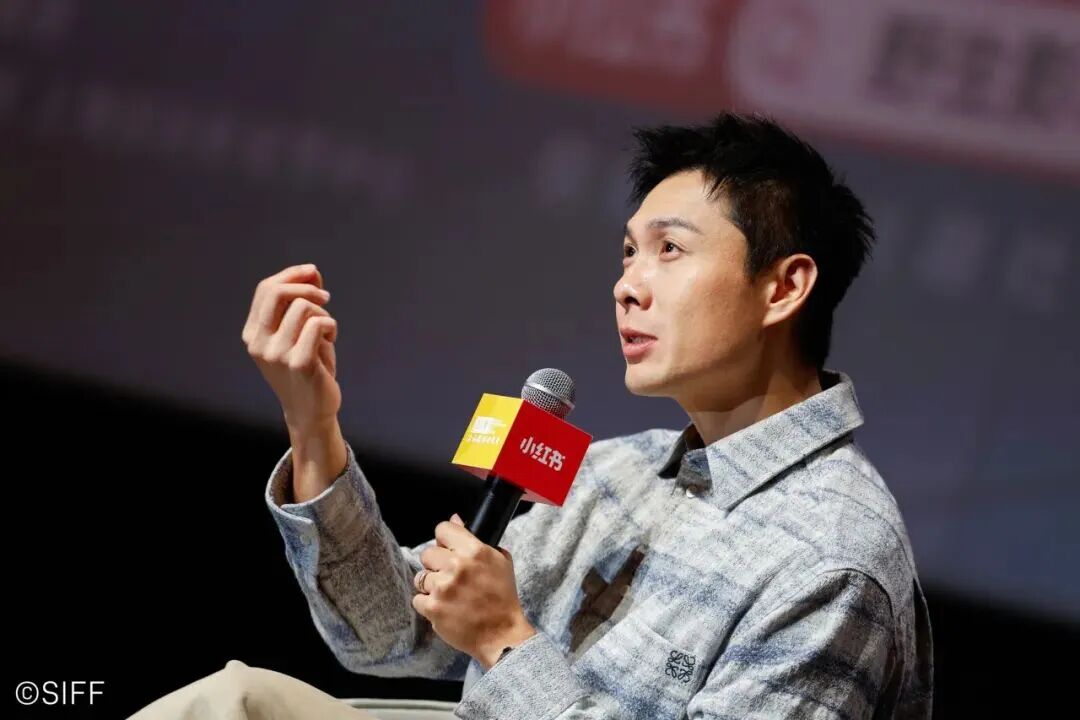
Yann Yann Yeo describes Anthony Chen as someone who spares no effort to perfect his films. “I am also willing to throw myself entirely into a role and take bold risks. I feel I have met a kindred spirit—someone who casts all hesitation aside and exhausts every possible avenue in pursuit of his craft.”
When asked why he gravitates toward family-themed stories, Anthony Chen says he is not retreading identical narratives, but continually exploring the delicate, profound emotional bonds shared by people without blood ties. “More often than not, I’ve formed deep trust and genuine affection with people without blood ties.”
Whether it is the Filipino maid and young boy in Ilo Ilo, or the father and son in his latest feature We Are All Strangers, he refuses to judge his characters by rigid moral standards. “I never view my characters with criticism, nor do I shy away from letting them make mistakes.” He admits he is an innately sensitive person, yet he constantly reminds himself to avoid preconceived judgments or harsh scrutiny of his figures. Instead, he unfolds each story in line with the characters’ inner mindsets and fates.
When talking about advice for young emerging creators, Anthony Chen offers a down-to-earth suggestion: make as many short films as possible. He spent years consistently shooting shorts to hone solid foundational filmmaking skills. After officially becoming a feature-length director, two skills stand out as vital. First, knowing how to guide and coach performers. “If you cannot direct actors, you are not truly a director. Every filmmaker has their own method, and you have to develop your unique communication language with performers.” Second, mastering scene blocking thoroughly. “You must have absolute clarity on where to place the camera, what each frame intends to focus on, and whether a scene should be shot subjectively or objectively.”
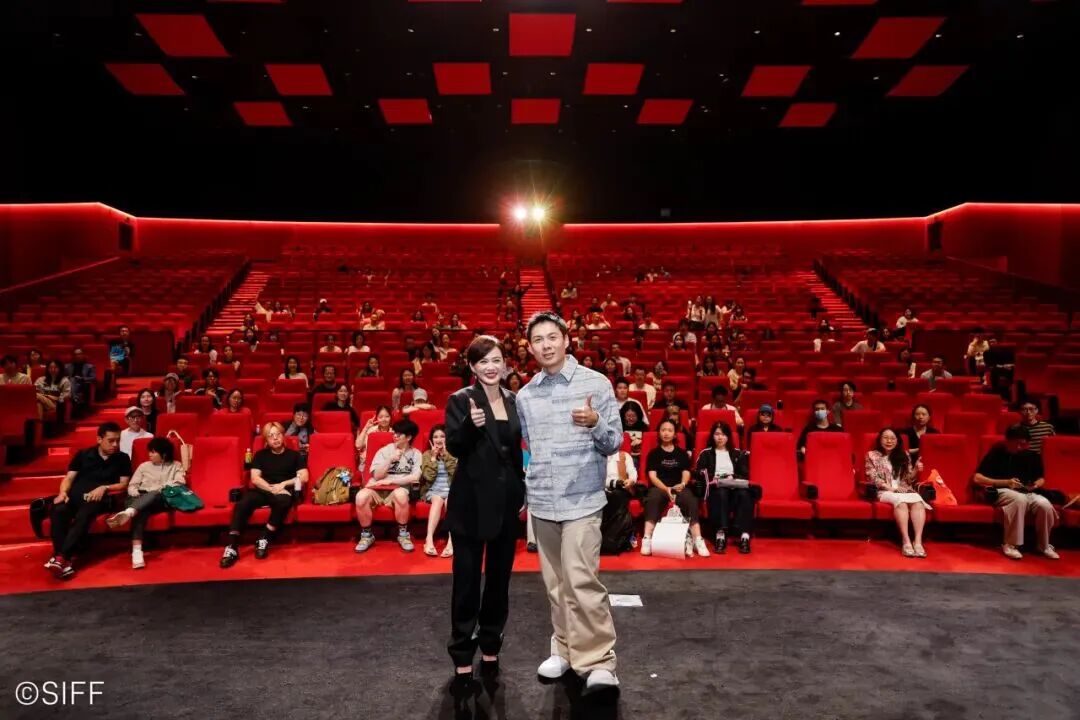
He stresses a crucial reminder to new generations of creators: never compromise your vision, and stay faithful to your genuine inner feelings. “What you fail to capture on set can never be fixed in editing, so do not settle. You will always know deep down whether you’ve locked in the right emotion and satisfactory performance during filming.” In his view, creators ought to look beyond the finished film in the moment and maintain a long-term perspective. “Take revisiting Ilo Ilo, which came out thirteen years ago, for example. I do not believe I have to think the work is flawless when I look back. What matters most is that I can feel who I was back then—that I poured my most sincere and earnest self into every frame of that film.”


 Shanghai Municipal Administration of Culture and Tourism