SIFF MASTERCLASS | Mihály Víg: I Listen Deep within Myself, Waiting for Inspiration and Quietude to Descend
June 17, after the screening of Béla Tarr’s The Turin Horse, the 28th Shanghai International Film Festival (SIFF) hosted a SIFF MASTERCLASS with Mihály Víg. The Hungarian composer has been Tarr’s creative partner for more than forty years, and that evening he sat down to talk about their shared journey, and to let audiences in on the musical logic behind Tarr’s haunting, heavy cinema.
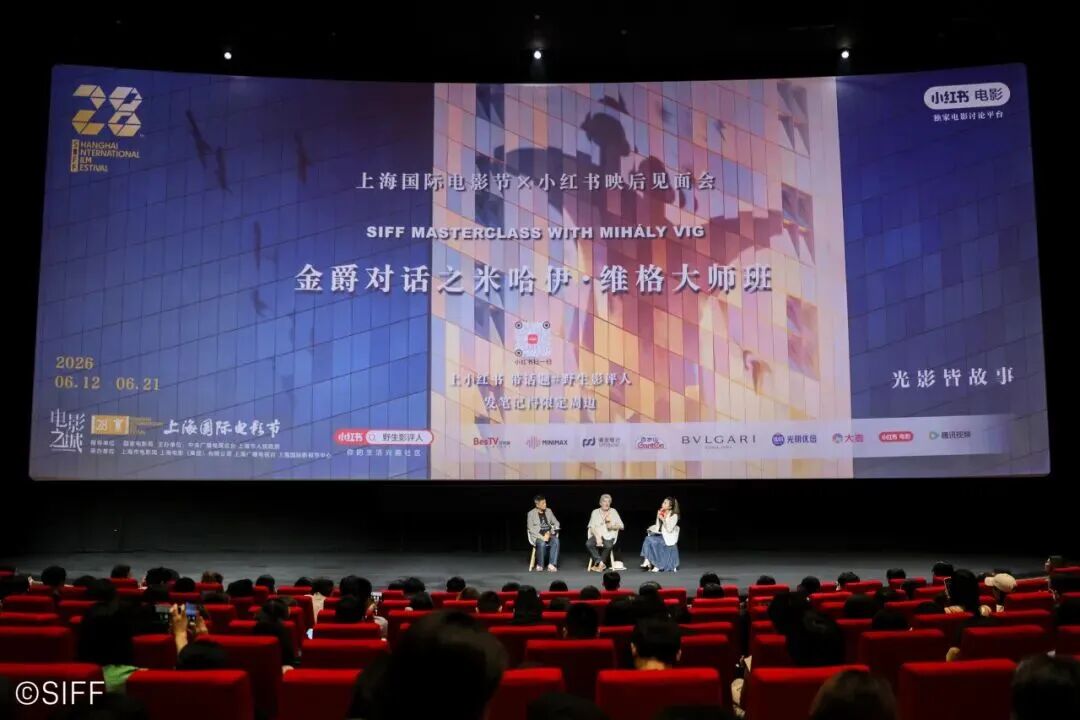
Born in Budapest, Hungary, Mihály Víg is a multi-hyphenate artist working as an original music composer, performer and screenwriter. Raised by his father, a scholar of Roma music, he immersed himself in Roma music, rock, folk and classical repertoires, and is proficient in instruments including the piano and violin. He formed the band Balaton in 1979 before joining Trabant in 1982, both of which earned immense acclaim across Eastern Europe. He began collaborating with Béla Tarr in 1984 and has since been deeply involved in nearly all of the director’s major works: in addition to scoring the films, he has also appeared on screen as an actor and co-written screenplays. Together with writer László Krasznahorkai, Béla Tarr, and Ágnes Hranitzky—the director’s long-standing core collaborator, co-director and editor on numerous films—the four artists built the distinctive cinematic signature synonymous with Béla Tarr.
Our work started after a glass of champagne
Mihály Víg
Víg’s artistic bond with Béla Tarr began in the early 1980s. By then, Béla Tarr—who had started directing films while still a teenager—was already a rising young talent in Hungarian cinema. The films he made during university had already been released theatrically, and he also ran a film club that screened independent, niche motion pictures. By pure chance, Tarr caught sight of Víg through concert footage shot by a friend. He immediately sent a message via an acquaintance: “Bring Mihály Víg to my place. I want to meet him.”
Their meeting was plain and straightforward. Tarr got straight to the point, inviting Víg to compose the original score for his new film Almanac of Fall. After a glass of champagne, their decades-long collaboration was officially underway. Their early collaboration proved far from easy. Víg had zero prior experience scoring films, and Almanac of Fall leaned heavily into documentary aesthetics, with actors improvising every scene within a loose thematic framework, making the creative process immensely challenging.
As their partnership deepened, a consistent creative workflow took shape. During the pre-production of Sátántangó, Béla Tarr and László Krasznahorkai solidified their collaborative framework. This landmark film established their enduring creative formula: László writes the screenplays, while Mihály crafts the scores. More uniquely, they adopted an unconventional workflow where all musical compositions are finalized before principal photography even begins.
I listen deep within myself, waiting for inspiration and quietude to descend
Mihály Víg
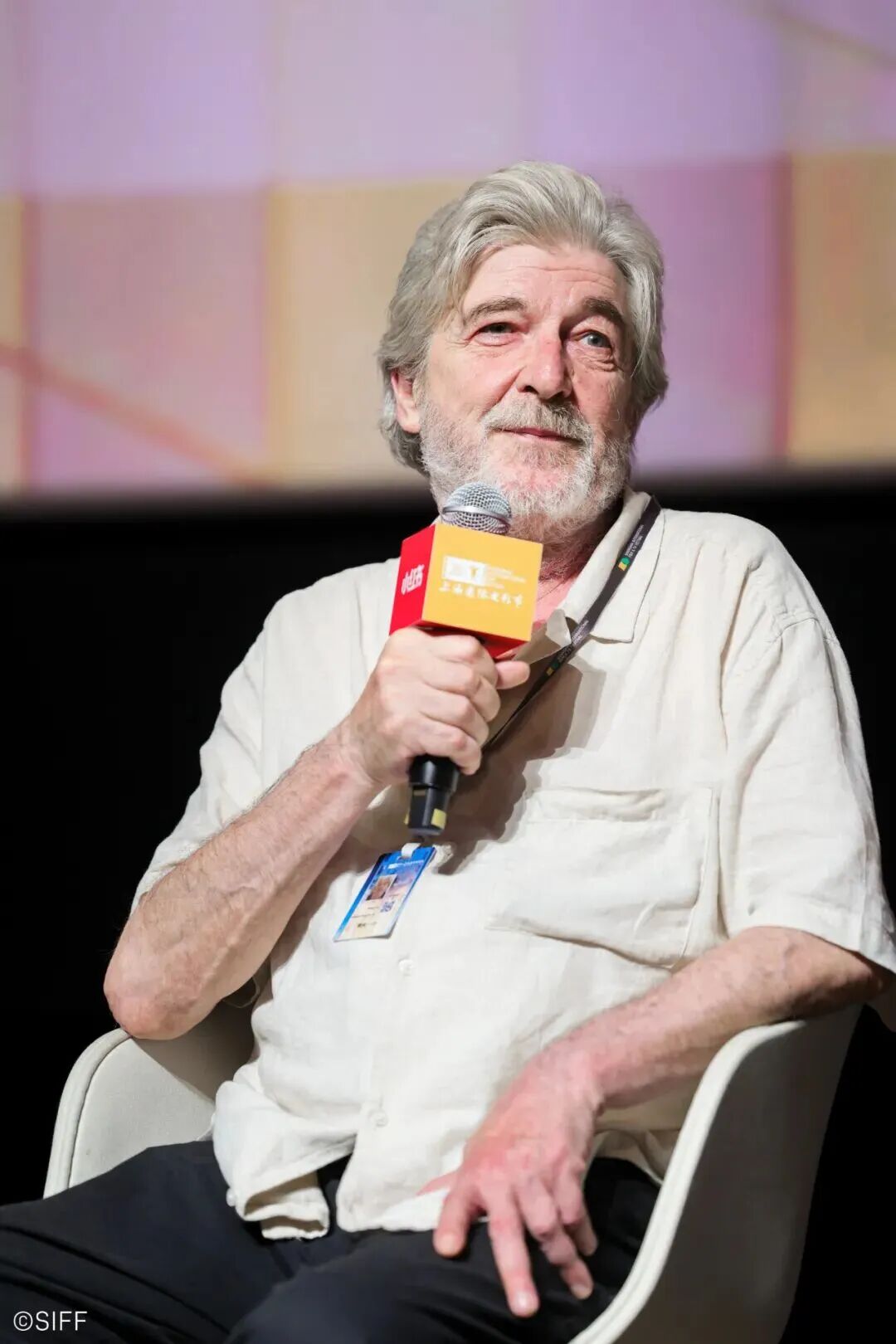
In a documentary chronicling the making of The Turin Horse, Víg sits by a piano in a public housing block and shares his approach to composition: “I listen deep within myself, waiting for inspiration and quietude to descend.” These words lay bare the creative philosophy behind all his scores for Béla Tarr’s films.
Víg usually builds his compositions around the screenplay. The overall impression left on him after finishing the script serves as the very starting point of his writing. This creative method works seamlessly thanks to the profound spiritual alignment shared between the composer, the director and the screenwriter. All three believe that human beings often shrink from gazing straight at the essence of things and confronting humanity’s genuine predicaments. Rooted in this shared understanding, Víg’s work naturally aligns with the spiritual core of the visuals without endless back-and-forth consultations. Tarr also places complete trust in Víg; every melody written out of the composer’s genuine, immediate feelings strikes the director as fitting. In practice, Víg typically submits multiple iterations of a score, from which the director selects the one best suited to the film.
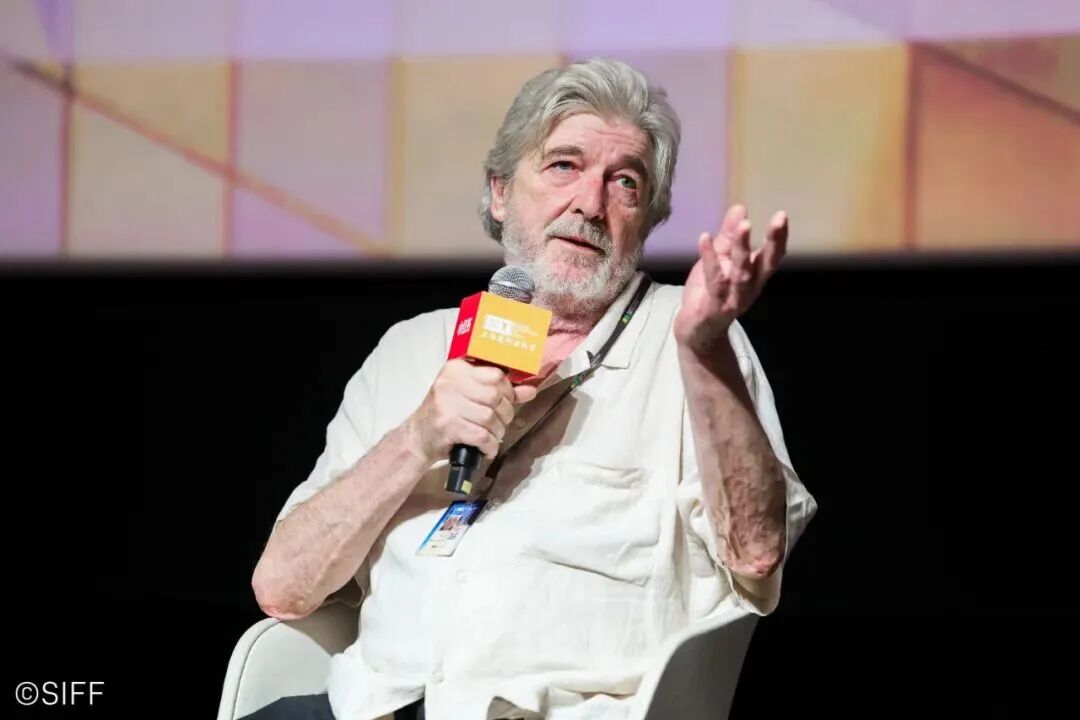
For Víg, the realm of sound stretches far beyond music in the narrow sense. He notes that noise carries vital weight in every Béla Tarr film: the unceasing rain in Sátántangó, the howling gales that never let up in The Turin Horse—these are the sounds of nature itself. “If we quiet our minds and truly listen, we can call them beautiful music.” Blended with original scoring, these natural sounds weave together to form the films’ somber, weighty sonic landscapes.
He does not seek actors to fit characters; instead, he searches for performers who are the characters through and through
Mihály Víg
Beyond his work as a composer, Víg is also a frequent performer in Béla Tarr’s films, with his most iconic turn being the con man in Sátántangó. Having dabbled in amateur theatre in his youth, he landed the role thanks to his extraordinary ability to memorize lengthy monologues. Tarr told him he could only take the part if he mastered more than thirty pages of script and delivered an unbroken sequence of dialogue stretching over a dozen minutes.
This acting experience gave Víg an intimate understanding of Tarr’s philosophy on performance. For the director, casting is never about finding an actor to match a character; it is about seeing whether the person standing before him embodies that character down to their core. Tarr’s casts blend professional performers with numerous amateur players, yet under his strict demand for authentic, unscripted naturalism, audiences can barely tell them apart.
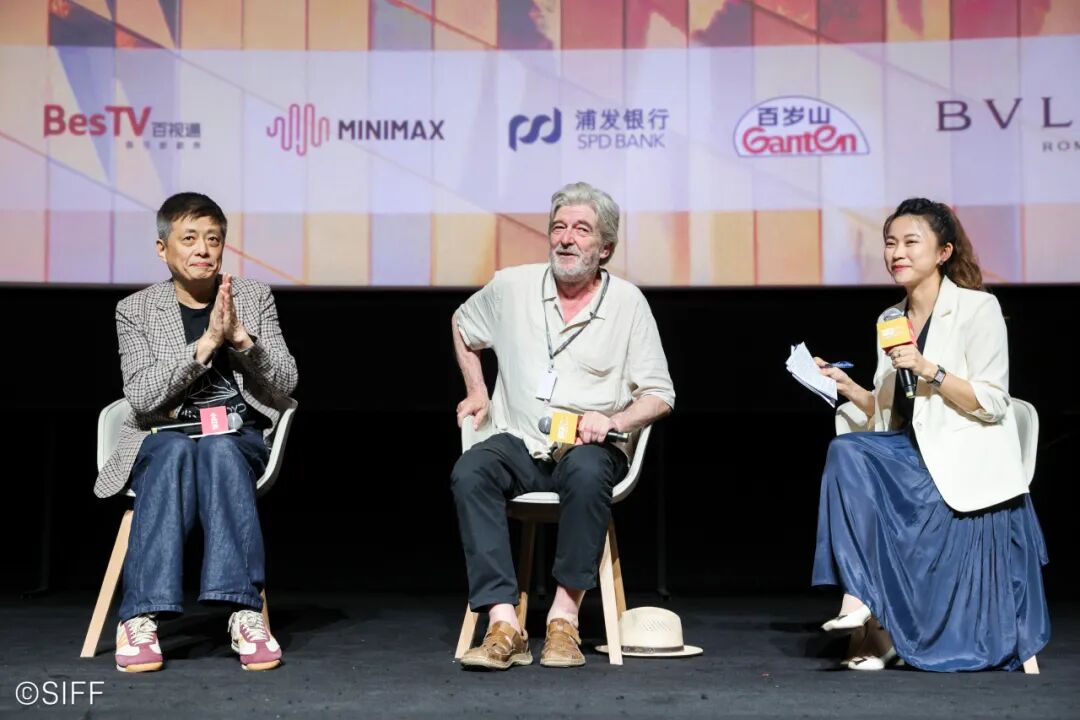
When asked about the common outside perception that Béla Tarr is a “tyrant” on set, Víg offers a starkly contrasting perspective. He recalls the director was invariably mild-tempered throughout shoots and never raised his voice. The whole crew maintained a solemn, orderly atmosphere. Even when he needed to raise concerns with staff members, Tarr would pull them aside for a private word, never reprimanding anyone in public. Shooting his signature long takes felt akin to working in a theatre: once the camera rolled, the director remained utterly silent, waiting until the full shot wrapped before sharing his feedback. He granted actors ample room to interpret their roles, never dictating a character’s thoughts or actions. Instead, he let performers develop their own emotional connection to their parts, placing complete faith in every actor he cast.
Víg also unpacks the artistic lineage behind Béla Tarr’s celebrated long-take aesthetic. Hungarian director Miklós Jancsó, a pioneer of extended single-shot cinematography, was something of a mentor to Tarr, and the two shared a close personal bond. In Tarr’s view, fragmented editing disrupts emotional continuity, while real life unfolds as one long, unbroken stream of existence—long takes are simply an act of reverence for that raw truth.
Life is a gift, and it would be discourteous to turn that gift away.
Mihály Víg
The Turin Horse features sparse dialogue throughout, consisting mostly of repetitive mundane moments such as meals and manual labor. This minimalist mode of expression stands as the most defining hallmark of Béla Tarr’s later filmography. To Víg, these seemingly monotonous routines lay bare the very essence of existence: “Every single day of life is made up of these tiny, trivial fragments.” The father and daughter in the film attempt to flee their confined surroundings, only to realize they have nowhere to go, watching days slip away in isolation. This underlying sombre tone bears a subtle connection to the director’s physical health in his later years.
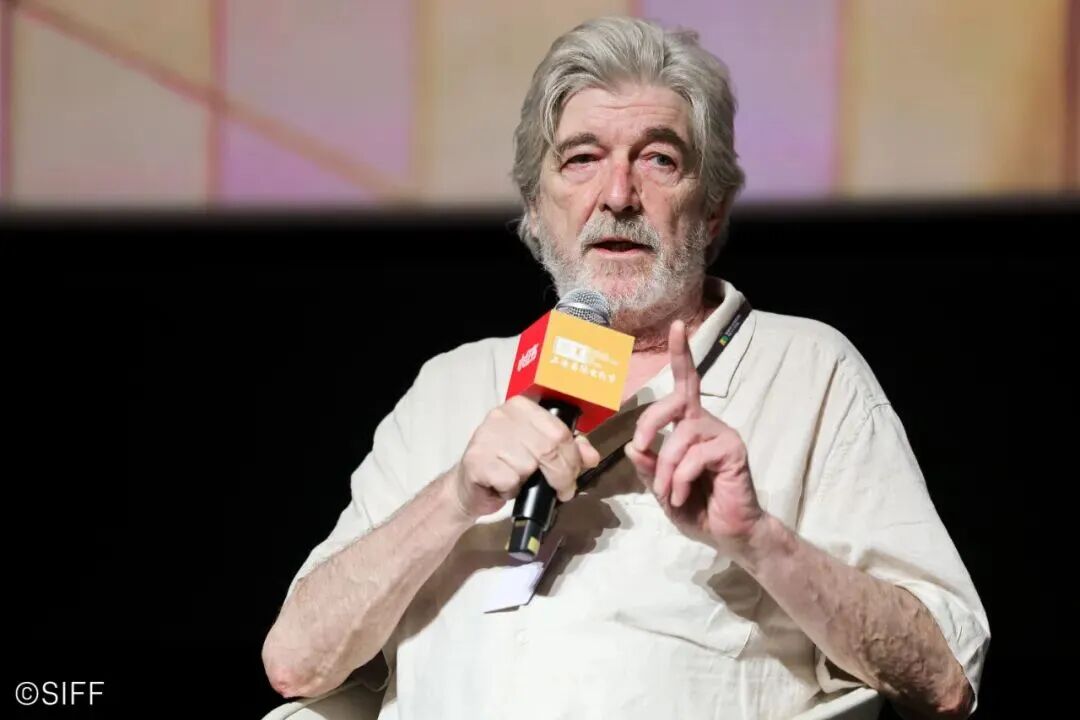
Béla Tarr’s films are frequently associated with “The Unbearable Lightness of Being,” yet Víg offers a gentler interpretation of this comparison. He argues that the “lightness” depicted in Milan Kundera’s writing and the “heaviness” captured in Tarr’s frames are not rigid opposites. Much like a drop of water within the ocean holds multiple facets, even an unrelenting tragedy harbours threads of comedy. This explains why many viewers emerge from his films with fortitude and inner strength amid overwhelming despair—the exact emotion the director aims to convey. “It is akin to catharsis. By the end, everything feels cleansed. Audiences peer into the heart of things, and the whole world suddenly becomes lucid. Life is undeniably harsh, yet it also holds profound beauty.”
Víg shared a host of behind-the-scenes anecdotes during the SIFF MASTERCLASS. On one occasion, László Krasznahorkai stormed off mid-argument with Béla Tarr over the screenplay. Two days later, he sent over a sixty-page short story that would serve as the foundational draft for The Turin Horse. The crew also spent an extensive period searching for a horse with a sorrowful gaze to star in the film; once production wrapped, they took great care to find it a loving home where it could live out its remaining years in peace.
When asked which of his scores for Béla Tarr’s films holds a special place in his heart, Víg noted that audiences widely praise the soundtrack of Werckmeister Harmonies, yet his personal favourites are Damnation and The Turin Horse. Among the director’s full-length features, he singles out Sátántangó above all others. He playfully advised the audience: “If the seven-hour runtime feels daunting, push through the first hour—the rest of the film is well worth the endurance.”
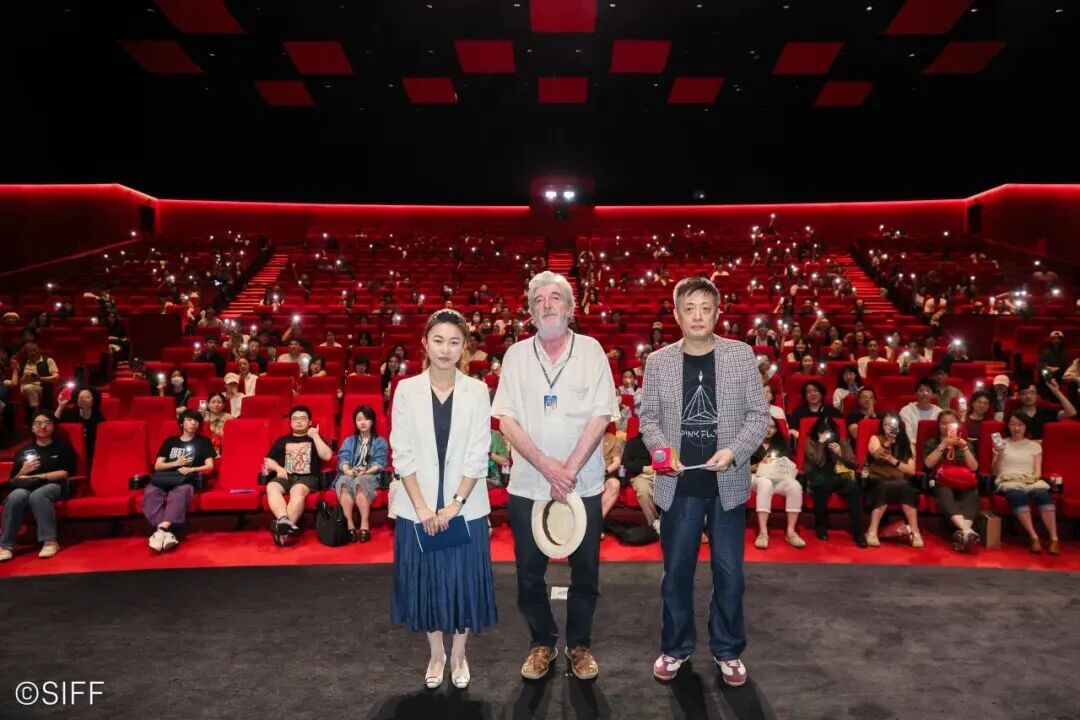
As the SIFF MASTERCLASS drew to a close, Víg summed up his dear artistic collaborator’s outlook on life in a single sentence: “Life is a gift, and it would be discourteous to turn this gift away. So, when we receive it, we must live it to the fullest of our ability.”


 Shanghai Municipal Administration of Culture and Tourism