Post Screening Event of Australian Film “Wolfram”: A Testament to Survival and Love
A long-forgotten family story that contended for the Golden Bear at the Berlin International Film Festival, paired with a Western set in outback Australia about freedom and escape. Warwick Thornton, an Australian director whose works have won top prizes at Cannes, Venice and other major international film festivals, brings Wolfram, a film he directed and lensed himself, to the 28th Shanghai International Film Festival (SIFF). The film held its Chinese premiere in Shanghai on the evening of June 14. Warwick Thornton and the producer attended the post-screening event, sharing the film’s creative inspiration and behind-the-scenes anecdotes with the audience.

Set in an Australian mining town in the 1930s, the story follows two Aboriginal siblings, Max and young Kid, who are forced into child labor. When two fugitives ride into town and abduct Max, Kid steals a donkey and sets off alone to search for her brother. Meanwhile, Pansy, the children’s mother, clutches her newborn baby and embarks on a desert journey alongside her partner and a Chinese miner named Zhang, hoping to reunite with her kids. The separate fates of these characters intertwine beneath the blazing sun and swirling dust, ultimately weaving a profound testament to survival and love.
The film draws inspiration from real-life hardships endured by Warwick Thornton’s own family. Both his great-grandmother and his grandmother, who co-wrote the screenplay, were once child laborers forced to dig for ore in the desert with tiny teaspoons.
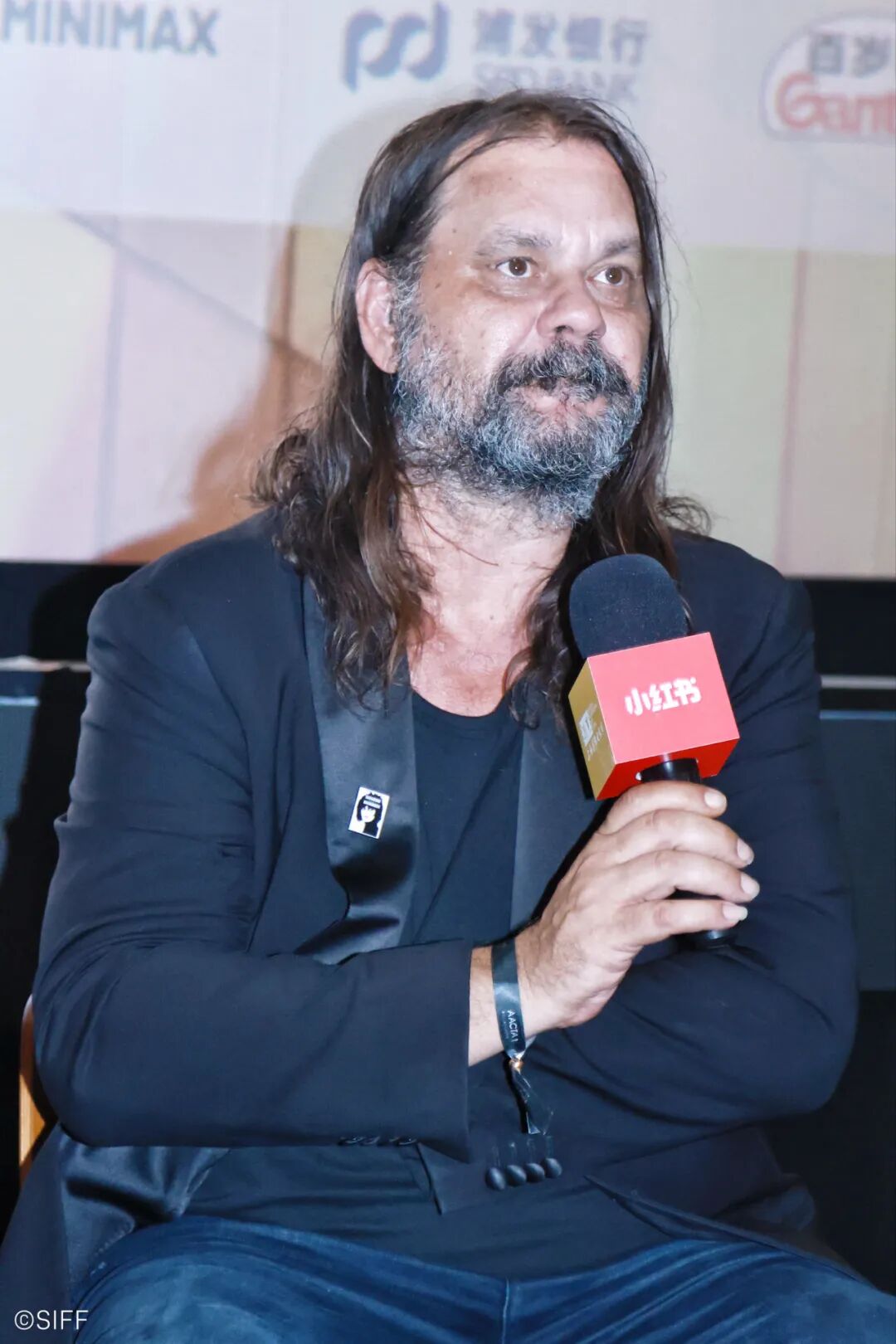
“This story matters a lot to me. It speaks to my roots, to who we are and where we come from, and it carries universal resonance for audiences worldwide,” Thornton shared. His core motivation for making Wolfram was to help Australian people better understand this little-known chapter of history long overlooked by mainstream narratives.
“Back then, Australia’s Indigenous peoples suffered brutal oppression under British colonizers, while Chinese migrant laborers faced equally harsh hardships at the same time,” Thornton explained. “If both communities endured such suffering side by side, why not tell a story about them standing up to it together?”
The film’s title, Wolfram, references a mineral tied to a poignant chapter in Australia’s past. Warwick Thornton explained that it was an essential raw material for manufacturing bullets and firearms. Its price would skyrocket amid wartime, often surpassing the value of gold. “This lured major corporations into wolfram mining, driving them to exploit child labor — and ordinary locals had no choice but to bear the consequences.”
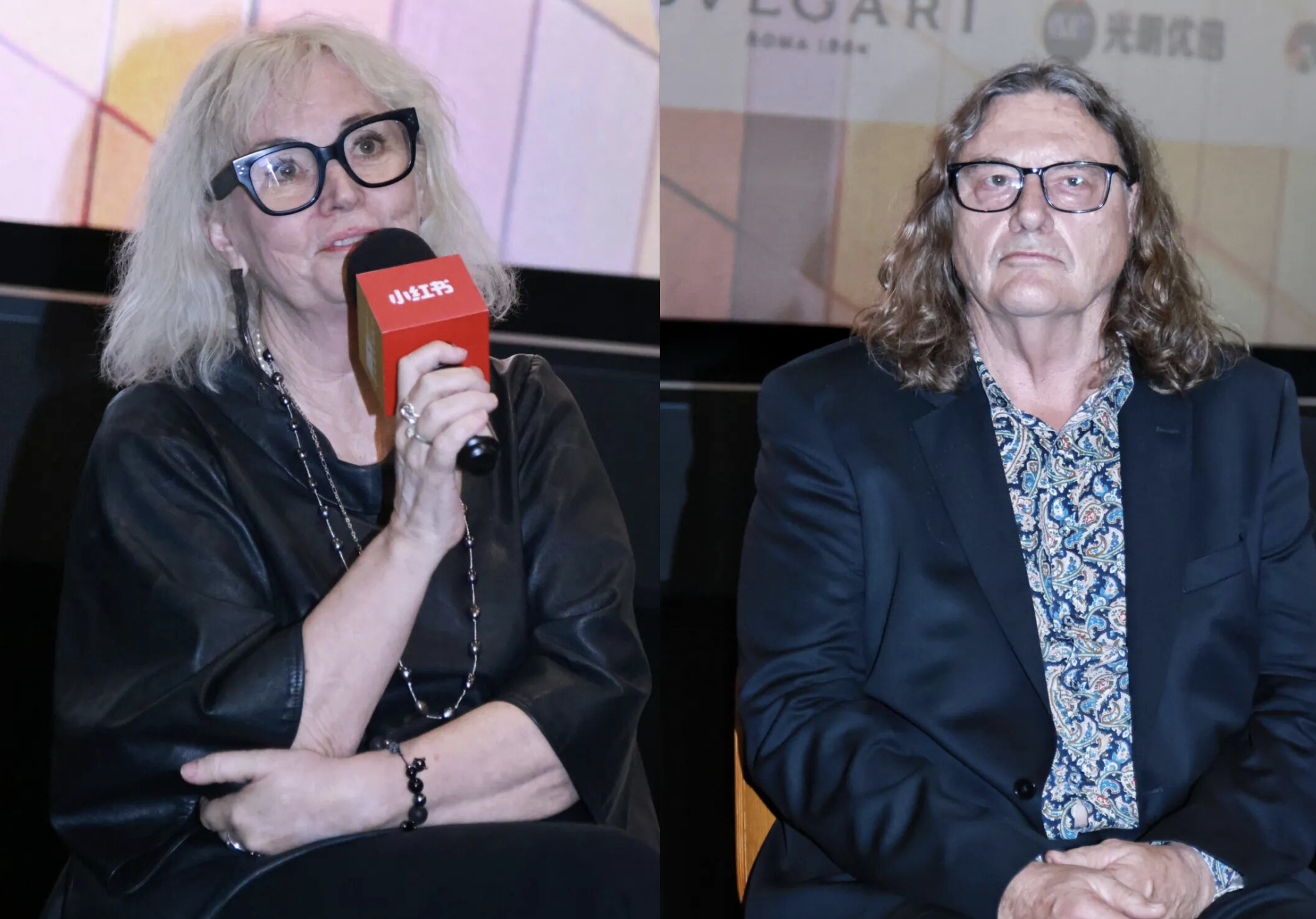
Many viewers have remarked on the swarms of flies visible throughout the film. “All those flies were completely natural; we didn’t spend a cent on VFX for them,” producer Greer Simpkin revealed. The filming location was plagued by an overwhelming fly infestation, a nuisance comparable to a natural disaster. Cast and crew frequently accidentally swallowed them during shooting. For director Warwick Thornton, the omnipresent flies function much like rainfall as a subtle atmospheric device, and he feels they work beautifully to shape the film’s tone.
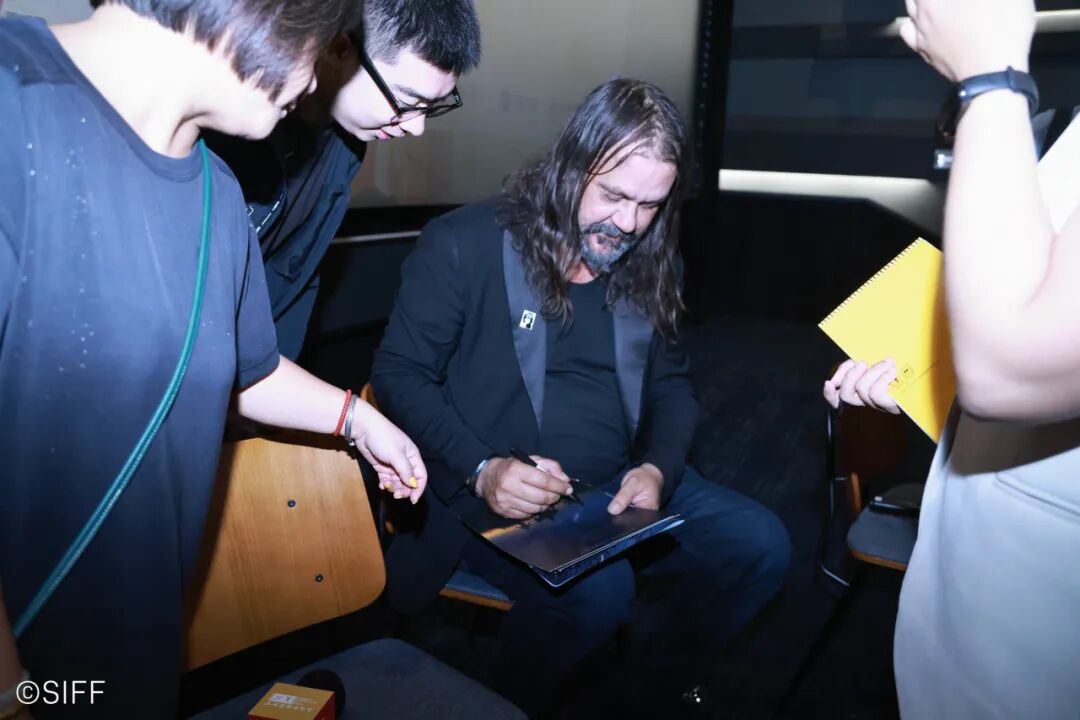
Thornton also held a distinctive philosophy when crafting the film’s soundtrack. He aimed to rely as little as possible on scored music, letting the narrative itself stir emotion within the audience. “The closing piece was composed to capture the mother’s joy upon reuniting with her children. We created it using a hand saw — an unconventional method, yet the end result turned out wonderfully.”
Warwick Thornton claimed the Caméra d’Or at the 62nd Cannes Film Festival in 2009 for Samson & Delilah, and took home the Special Jury Prize at the 74th Venice International Film Festival in 2017 with Sweet Country. His latest feature Wolfram competed in the main competition of the 76th Berlin International Film Festival. Now screening at SIFF, it has garnered an equally enthusiastic response from local audiences.


 Shanghai Municipal Administration of Culture and Tourism